How DPC Practices Can Connect the Data Behind the Patient Story
For practices built on knowing patients deeply, the hardest part is often finding the information that makes that possible. – Written by Kathleen McGraw, MD
Every patient arrives with a story. It’s a large part of why we went into medicine: the chance to hear how someone’s health has unfolded, notice what others missed, and help them make sense of it. For practices built on personalized, relationship-driven care, that complete picture is the whole point.
For many patients, especially those with complex or chronic conditions, that history doesn’t live in one place. Specialist notes sit in different health systems’ portals. Labs come from outside facilities, sometimes as screenshots or folded pieces of paper. Medications have been adjusted by several prescribers. Wearables and home devices collect months of data that never reach the chart. The timeline of symptoms often exists only in the patient’s memory, which is doing its best.
You chose a direct-pay model partly so you’d have time to listen. Too often, that time goes to reconstruction instead: logging into portals, scrolling through PDFs, asking patients to remember when a dose changed. Most of what you need is out there; it’s just in pieces. Guava was built to bring those pieces together.
One connected record
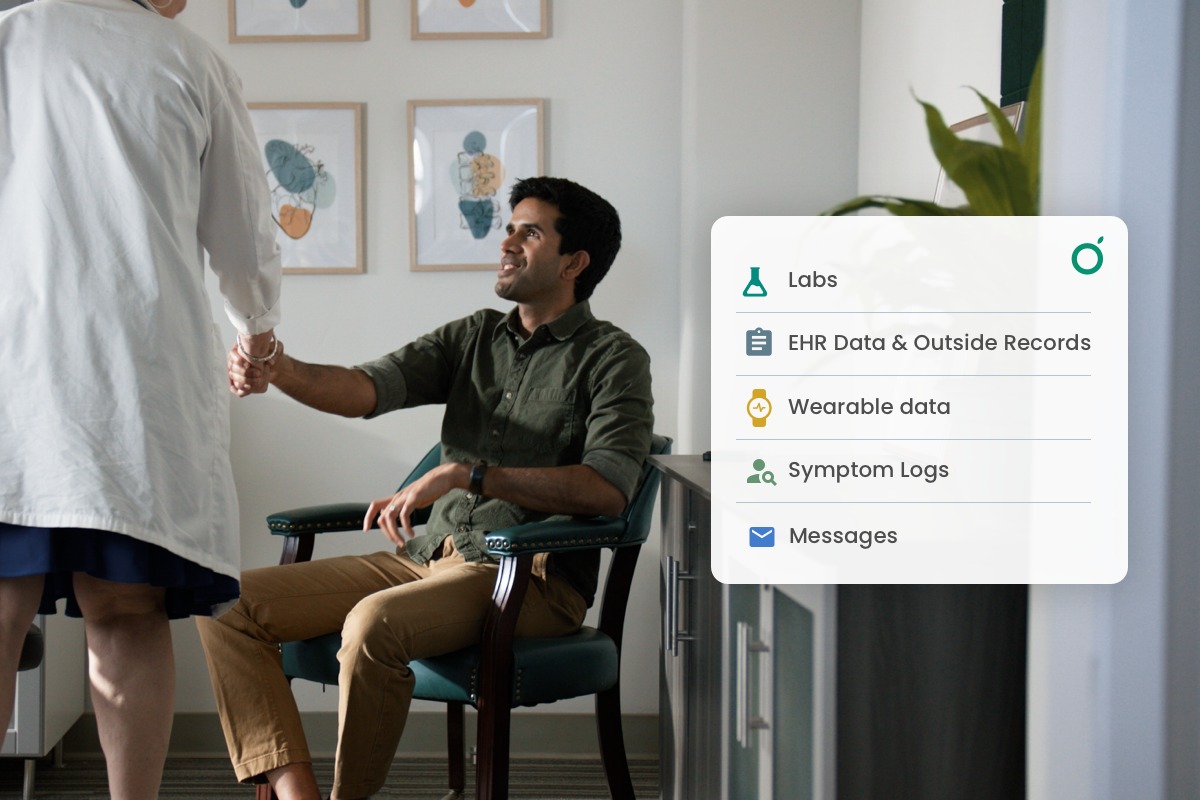
The Guava Provider Dashboard consolidates that information into a single patient record: health system and specialist records, outside labs, imaging, medications, symptoms, home measurements, and wearable data. Patients can connect their own sources through Guava’s app, which works with more than 100,000 apps and devices. The dashboard also integrates with tools many practices already use, including Hint, Elation, Cerbo, InBody, and Spruce, without requiring patient input.
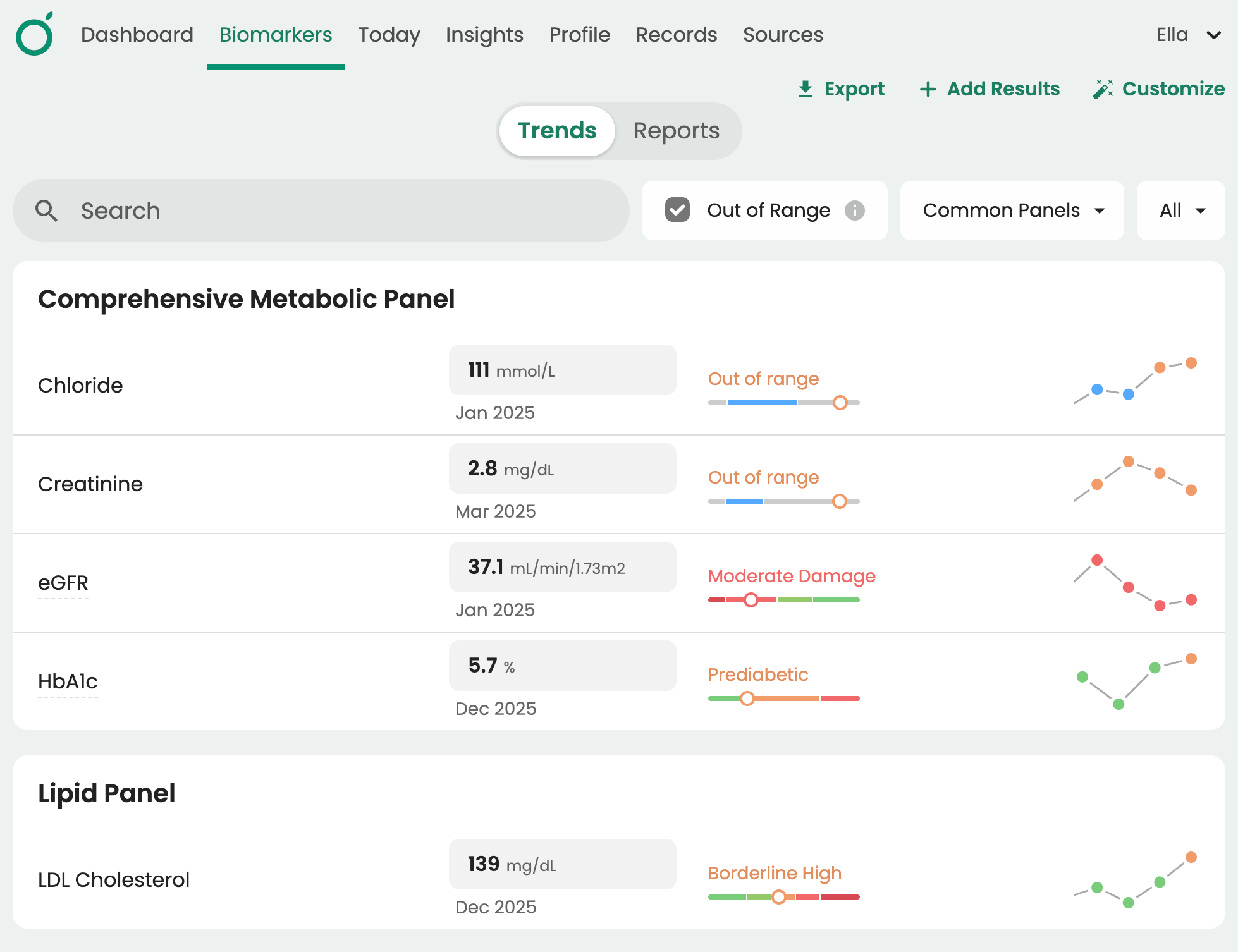
In one view, a patient’s history starts to read like a narrative instead of a stack of documents. A lab value appears as part of its trend. A new symptom sits alongside the medication change that preceded it. Physiologic data from home fills the gaps between office measurements.
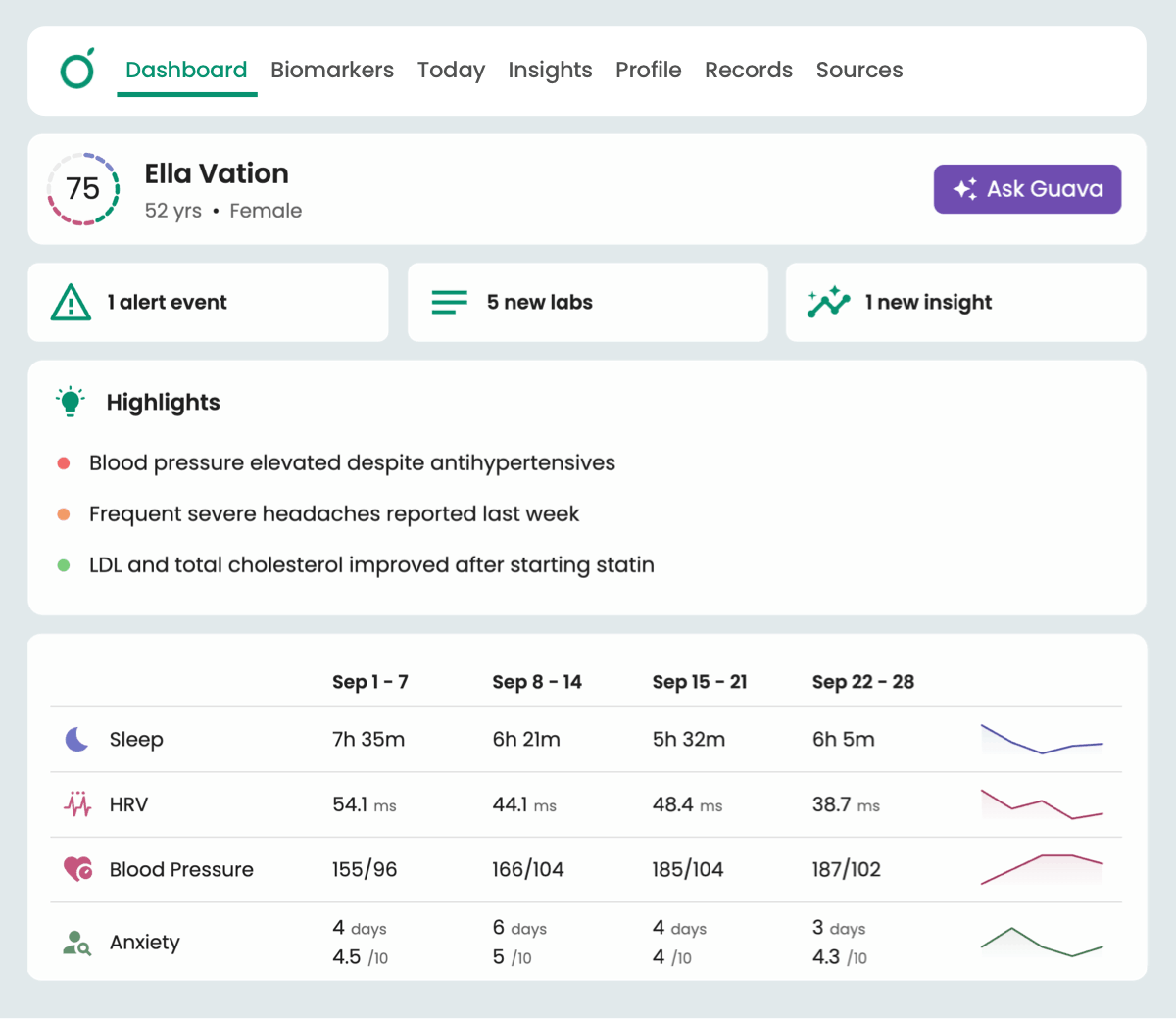
The interpretation is still yours. That’s what your patients come to you for. But now you’re working from the complete picture, not the fragments that happened to make it into the chart.
AI that helps you get oriented
For patients with long, complex histories, Guava’s AI works across the connected record to synthesize what’s there. It surfaces changes over time and relationships between data points that could otherwise take a long chart review to find.
It can also assemble pre-visit, post-visit, quarterly, or annual summaries. The underlying source data remains available for review, so you can move between the big picture and the detail behind any trend.
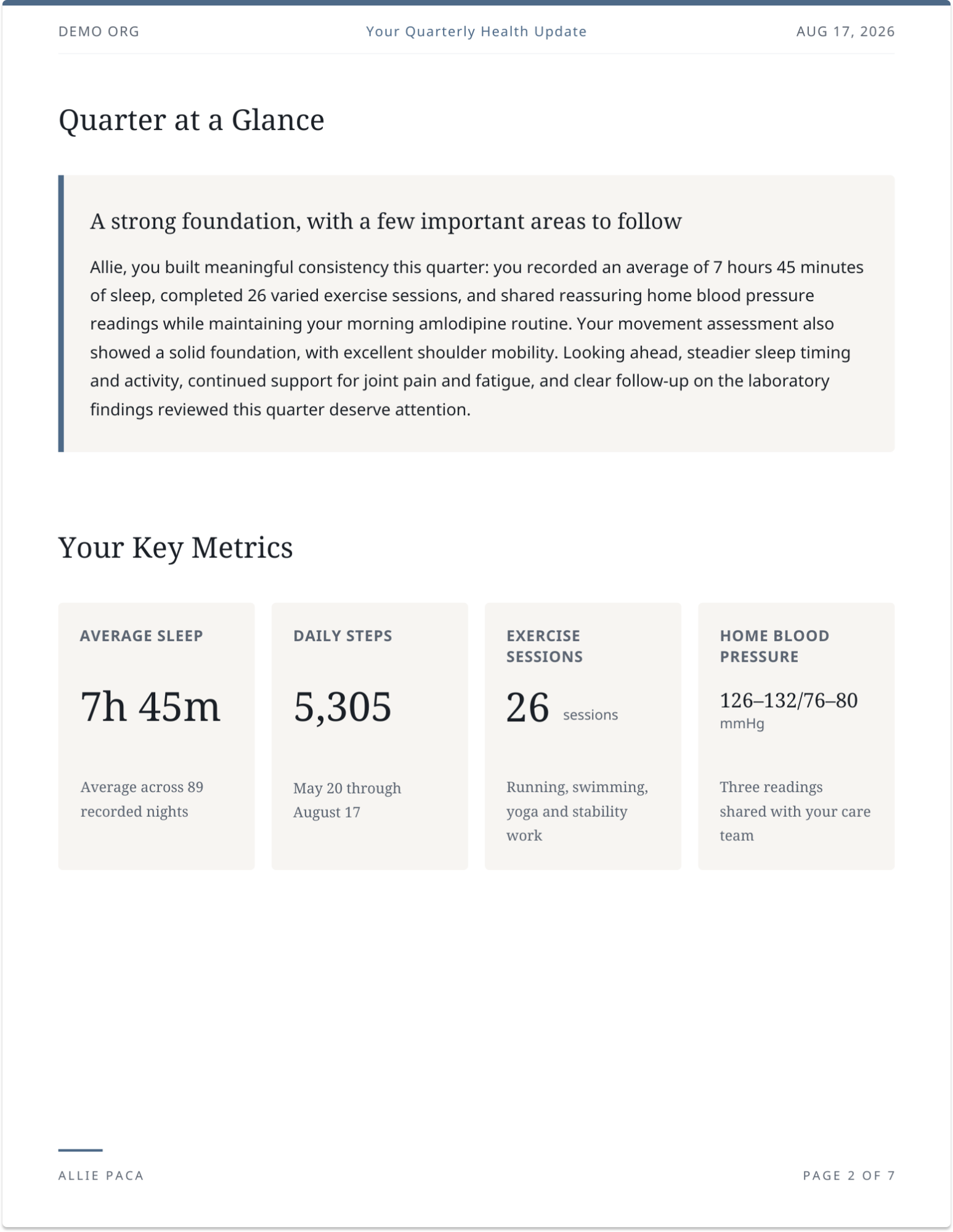
Between visits
Health doesn’t pause between appointments. More than 200,000 people use Guava’s patient app, which runs on the same connected data model as the Provider Dashboard. As patients log symptoms, sync devices, and add measurements, their record keeps growing. You see how things change between encounters, instead of hearing a summary at the next visit.
For some practices, that has already mattered clinically:
“Guava is providing opportunities for insight and touchpoints between visits, and our patients are seeing the benefit as well. Just last week, with the assist from Guava, we were able to detect A-flutter in a patient, resulting in timely treatment and referral.”
— Radley Griffin, MD, Griffin Concierge Medicine
Knowing patients well
Direct-pay, concierge, and functional medicine practices are built on the promise of knowing patients deeply. Guava helps you keep that promise by putting the whole story in front of you, so your time goes to understanding it rather than assembling it.
Learn more about Guava or book a demo to chat with the team.