Let’s Go To The Movies: Healthcare Lessons from ‘The Big Short’
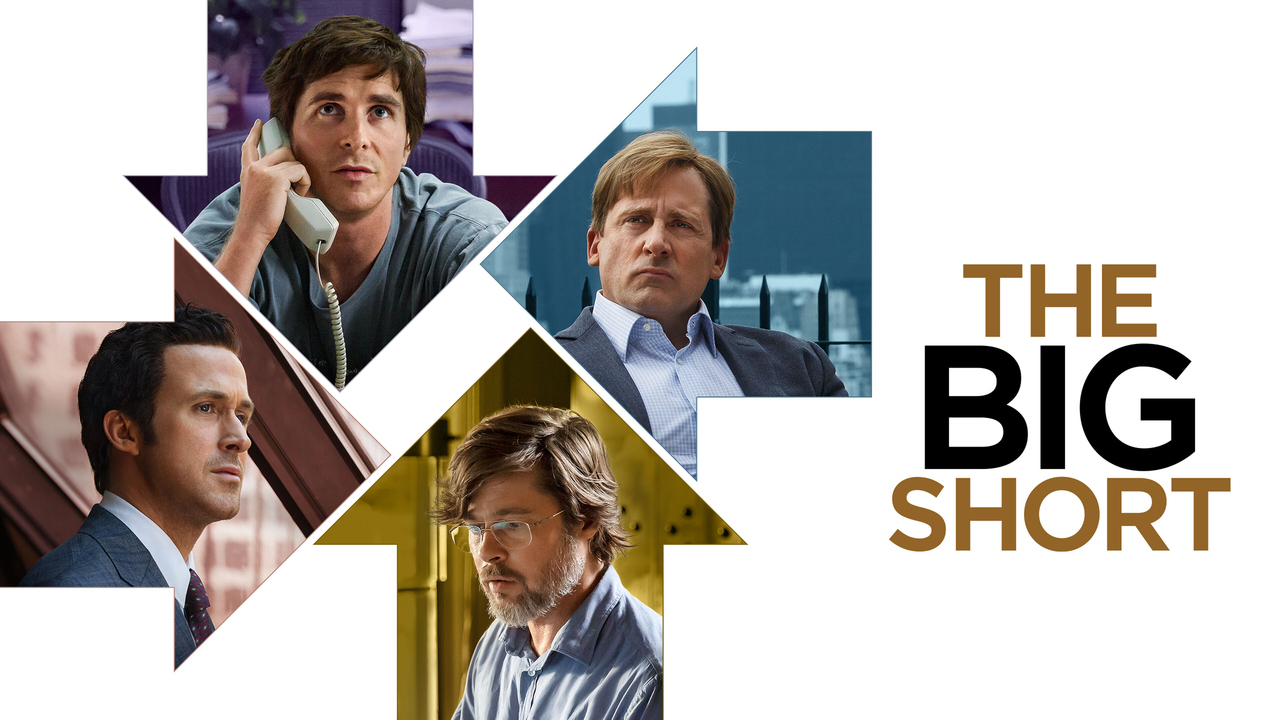
I loved Dr. Daniel Dvoskin’s recent post, “Here Are the Top Gun Quotes Rewritten for DPC by AI:”
Since 1986, many a teenage boy fancied themselves to be a hot, “Naval Aviator” who’s memorized the sayings in that movie and used them in conversation still today, 40 years later.
I’ve lost count of how many times I’ve found parallels in movies to the current state of healthcare.
I think my two favorite ones are “Moneyball” and “The Big Short”, which were both books by Michael Lewis originally and then made into blockbuster movies.
I decided to go back and watch “The Big Short” and make some notes on which parts of the movie remind me of what Wall Street has done to healthcare. Maybe I’ve even fantasized a little about what might happen if I could short the stocks of the BUCAs and make millions of dollars as I watch their demise. Oh well, a girl can dream.
Before I get into it, this is NOT a family-friendly movie. I’m merely focusing on how a different financial crisis in 2008 seems eerily familiar to what we are seeing right now in healthcare.
If you decide to watch it, here are a few timestamps that jump off the screen at me:
- First, you barely get one minute in before a Mark Twain quote appears on the screen, which reads, “It ain’t what you don’t know that gets you in trouble. It’s what you know for sure that just ain’t so.” Here’s the healthcare version, “Seriously, that can’t be the cost of (insert any product or service of the healthcare industrial complex here). No one in their right mind would pay that.”
- Near the 4:17 mark, the narrator says, “There were a few outsiders and weirdos who saw it coming”. That would be us, BTW. We’re the outsiders who saw that there should be a better way. And as he describes himself, we’re not weirdos. We’re pretty F’ing cool. And as he also says, we saw the giant lie at the heart of the healthcare industrial complex, and we saw it by simply looking. Something the rest of the suckers never thought to do.
- Literally a second later, the movie shows a physician, Dr. Michael Burry, who founded Scion Capital and is working as a hedge fund manager. He’s the one who looked before anyone else did. Here he says one of the most profound things I’ve ever heard: “One of the hallmarks of mania is the rapid rise in complexity and rates of fraud.” Wow, that blows me away. There are too many examples in healthcare of unnecessary complexity and what ought to be labeled as fraud (but is perfectly legal for some suspicious reason).
Here’s a pretty big one, though: in the world of pharma, you have the big 4 PBMs. They are all vertically integrated with GPOs (group purchasing organizations) that are domiciled in other countries where US transparency laws conveniently have no jurisdiction. This is where those PBMs play games with rebates on brand-name drugs and make billions, where no one can seem to force them to play fair with other people’s money. Trust me, the truth is there somewhere, but you really have to look where most people aren’t willing to.
Well, I hope I’ve provided a reasonable hook, and we’re barely 5 minutes into the movie. Seriously, find it online and watch it. Just put the kids to bed first. It’s not for kids.
Coincidentally, a recent Medscape article highlights 10 movies doctors should watch or rewatch. It’s a nice list.
Maybe the next rainy weekend, with the pantry stocked with plenty of popcorn, you’ll be glad I mentioned this movie.








This movie was very informative about how the markets were running back in the day. I think something similar about the insurance health scam landscape would be ripe for the picking now.