DPC is the first stop on the healthcare train
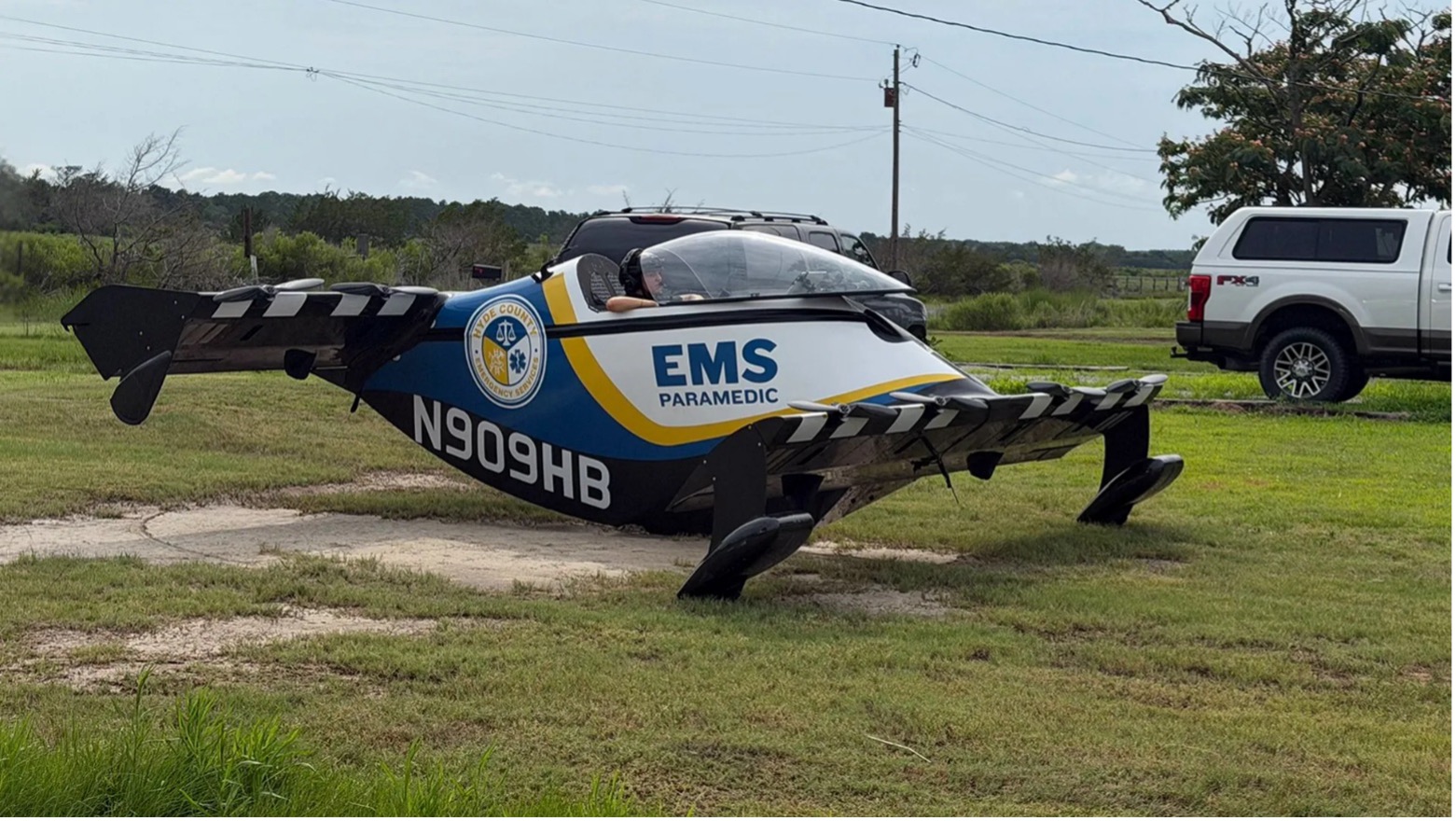
Meet the flying medic. Here’s a quick Facebook video taken by my local Burke County, NC Commissioner Brian Barrier. He shares his experience witnessing the vertical takeoff this machine is known for —https://www.facebook.com/share/r/189FYYYeSr/. Even Axios Vitals, a national, daily, healthcare newsletter, is impressed based on today’s post — Forget air taxis. Meet the flying medic.
For all you military docs out there, I’m sure you’re looking at this and thinking it’s pretty cool. It is. I’m not denying that. But, even in my wonderment and awe, I’m also looking at it with my contrarian side eye. (Hey, if Dr. Vance Lassey can be a self-proclaimed contrarian, then so can I)
At least on some level, this is a needed tool in response to the disappearing rural hospital, shut down by the massive systems that acquired them and then closed them. I too live in rural America. We have one hospital in our county. Other counties might not be so lucky. My own DPC doctor is in the next county, 40 miles away. At least in your county, your patients have a fighting chance to heal from the fractured doctor-patient relationships of the past. Let’s face it, as far as we’ve come, we still have so much more to do.
Hospital mergers and acquisitions are a hot topic. The KFF Health News article I posted yesterday on LinkedIn takes aim at the supposed benefit hospital administrators tell their communities will come once they join larger systems. We know better. That benefit rarely, if ever, gets realized by the communities left with the aftermath.
I think that’s why we all need to invest more of our efforts at the community level. As a member of Health Rosetta, we are deep into building “Community-Owned Health Plans”. Those are the types of employer-sponsored health plans that prioritize grassroots, local, community-focused healthcare partners like DPC, community pharmacies, independent specialists, independent imaging, etc.
I’m fresh off attending RosettaFest, the annual gathering of the Health Rosetta ecosystem. It was awesome to be surrounded by 1200+ healthcare do-gooders and visionaries. But some of those visions are already reality. I sat in a session of the 7 or so community-owned health plans already established in cities like Ashtabula, OH, and Amarillo, TX, etc. If I tried to tell you how inspiring that was, I couldn’t put it all into words.
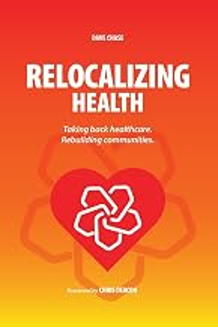
I hope you’ll order the new book by Dave Chase, Health Rosetta’s co-founder, titled Relocalizing Health. Direct Primary Care is mentioned on several pages, and case studies detail how employers and communities win when DPC is the first stop on the healthcare train.
Dave also has a podcast with the same name that you’ll want to subscribe to.
Sometime before the summer ends, make it a point to reach out to your local Board of Health to see if there is an open seat you could fill. Or go to your local Board of Commissioners meeting to make a 3-minute public comment about how local communities should take the notion of “relocalizing” their own health more seriously.
Until then,
Stay healthy, Y’all!





WTF is it? Didn’t disclose it in the article. Hovercraft? No helicopter blades? Where the hell do they put in the patient? Or is it just to get the EMTs there faster. In that case it was proven years ago in Vietnam to get an injured serviceman to a trauma unit as fast as possible via helicopter. A piece of overpriced, gee whiz shit if you ask me.
I don’t disagree. It’s a novelty. I provided two links in the article that may better describe how it works. You’re right that it doesn’t transport the patient. My point is that it’s being hailed as something neat for rural healthcare, where huge hospital corporations have acquired formerly reliable rural, community hospitals and then shut them down. That’s all. But, I do hope you’ll dive into Dave Chase’s new book also mentioned in the article. We all owe our respective communities the benefit of our expertise in “relocalizing health”.