90% of the Time, It Works Every Time
Written by Emily O’Rourke, MD
In medical school, we learned that it was possible to make a correct diagnosis 70% of the time with history alone and 90% of the time with a history and physical exam. No bloodwork. No imaging. No specialty referrals. No additional expenses. Just a knowledgeable and experienced physician spending time with a patient: observing, listening, asking the right questions. In addition to the rigorous study of anatomy and physiology, we also learned the art of taking a thorough history. We practiced broaching sensitive topics and asking questions delicately. As third-year medical students, we took hours completing admission H&Ps and then presenting them in great detail while the residents rolled their eyes. By the end of residency, we were sneaking into hospital rooms to examine patients while they slept, letting their bloodwork and vital signs tell their story because we didn’t have the time to listen to them tell it. As attendings in outpatient primary care clinics with patients packed onto the schedule every 15 minutes, we asked only yes or no questions, furiously clicking boxes to meet insurance criteria, and sending unnecessary referrals because we simply did not have the time.
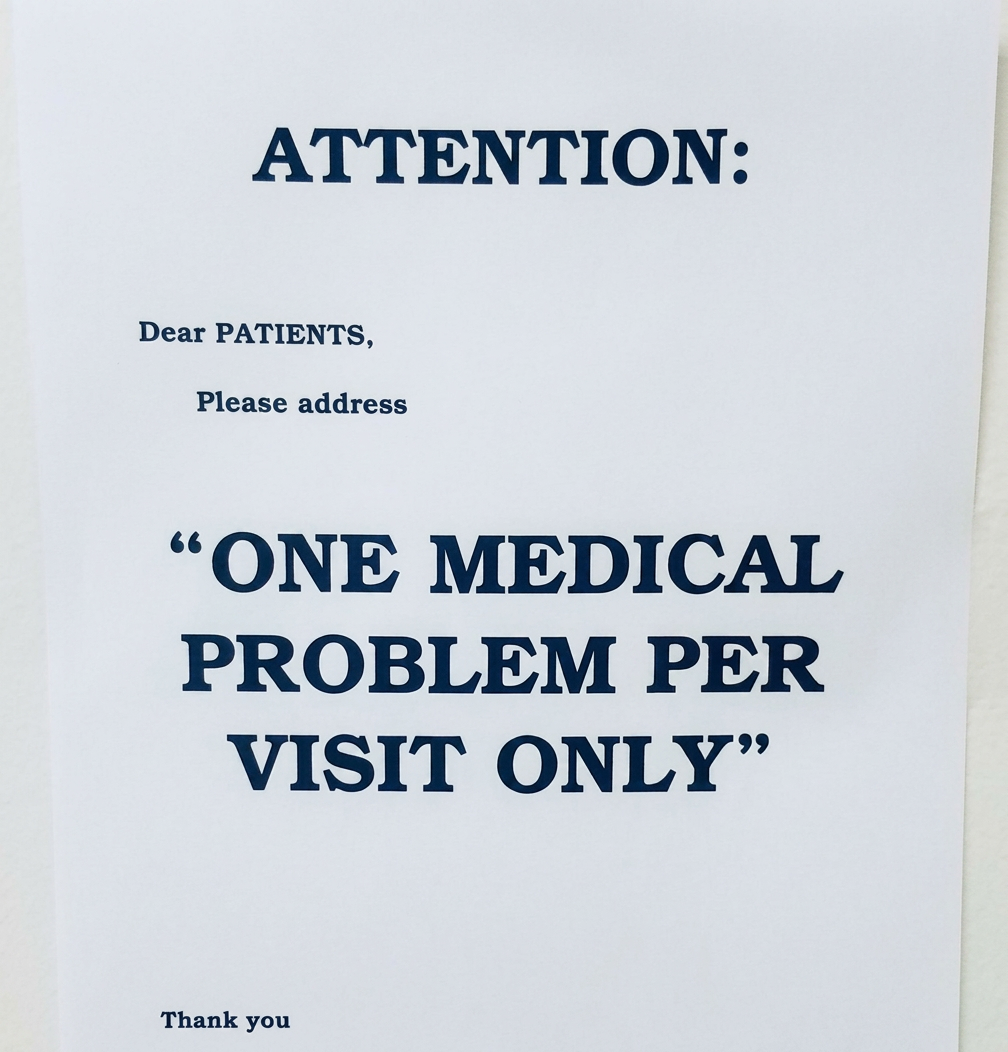
I remember feeling frustrated and conflicted. Patients would come in for their one “free” annual insurance physical with a long list of symptoms to address, and I knew that, given an appropriate amount of time, I could diagnose and treat them myself, but doing so would put me even further behind. I was always at least an hour behind schedule, sometimes two hours behind, which meant that my patients were already irritable from waiting, and I was frazzled. When they requested a referral to a specialist for a condition that I could easily treat myself, I was happy to click that referral button and remove it from my own to-do list. Some primary care offices post signs restricting patients to a single medical problem per visit. After all, how could one expect an adequate assessment of weight gain, constipation, fatigue, and hair loss all in one 15-minute appointment? However, even the best diagnostician would be unlikely to diagnose this patient’s hypothyroidism if the patient could only reveal one symptom at a time during separate appointments spread out over the course of a year.
The last thing a health system wants is to give primary care physicians the time and opportunity to perform a thorough history and physical because it would result in a 90% decrease in unnecessary testing and referrals, and thus, a significant decrease in profits. In my Direct Primary Care practice, I have found this to be true. I set aside 1-2 hours for patient appointments, so that there is plenty of time for a comprehensive assessment as well as additional time for patient education and discussion of treatment options. Specialist referrals are typically only needed for procedures or surgeries, and my patients save both time and money by addressing 90% of their medical issues in my office with simple old-school medicine.