Living Longer—or Living More?
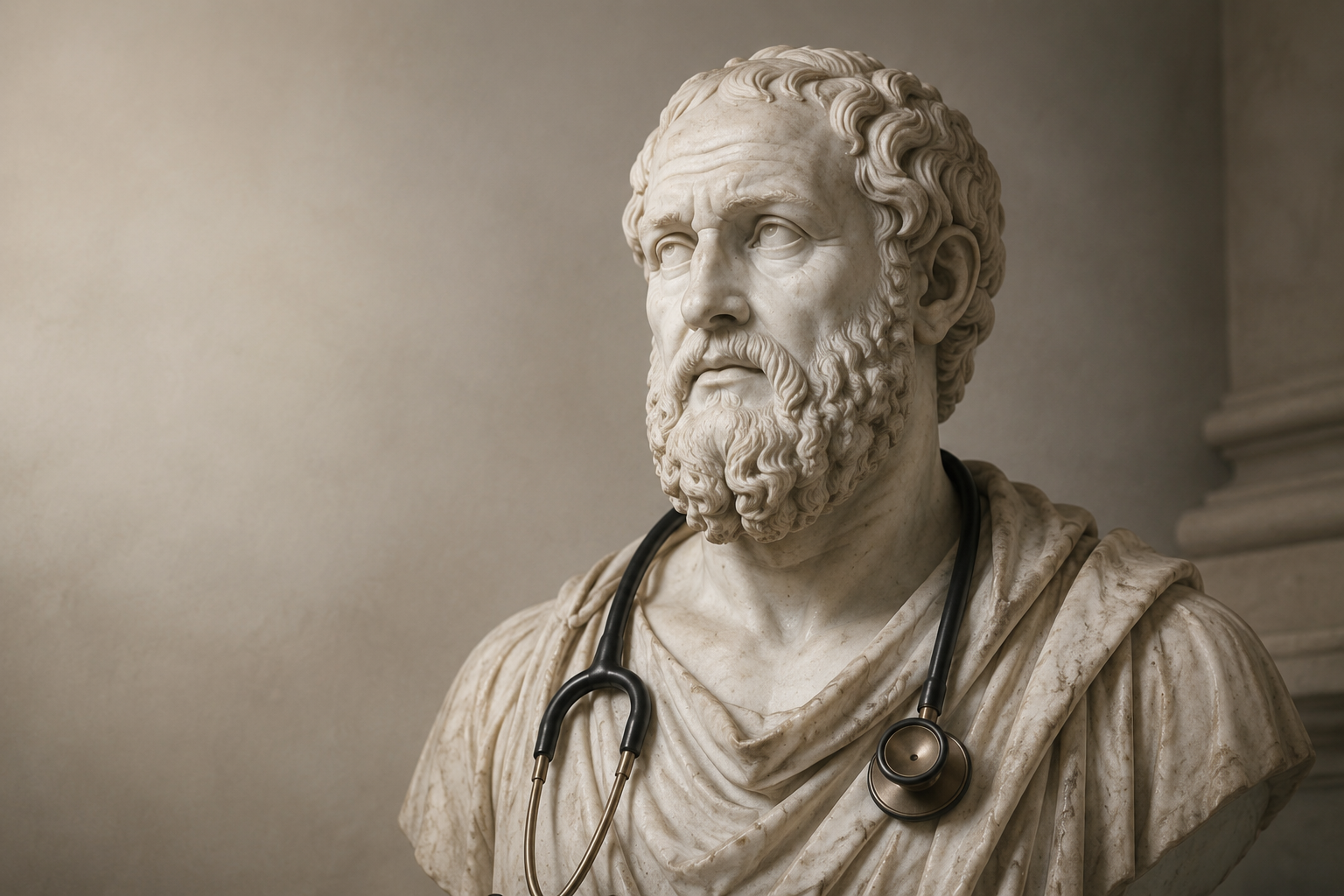
It feels as though I spend an inordinate amount of time in my direct primary care practice talking with patients about how to live longer and healthier lives.
I am not simply talking about controlling blood pressure and diabetes, debating the merits of statins, or making sure patients receive appropriate preventive care. Increasingly, I am fielding questions from people who want to lose five or ten pounds with a GLP-1 medication, are frustrated by the hair thinning that followed their weight loss, or want my opinion about the latest peptide advertised on TikTok—something that supposedly increases energy, reverses aging, improves cognition, builds muscle, and might just help them live to 120.
Then there is a separate group of patients: those who have already reached their late 80s or 90s and still want more time. Some are willing to undergo almost any treatment that might offer it—another round of chemotherapy, another procedure, or the newest dementia infusion—regardless of the cost, side effects, or likelihood of meaningful benefit.
And I understand the impulse.
Survival is among our most basic human instincts. Most of us want to live as long as we can and remain as healthy and independent as possible while doing it. There is nothing frivolous about wanting more time with the people we love. Nor is there anything inherently wrong with wanting to feel stronger, look better, preserve our hair, or fit into our clothes more comfortably.
But I sometimes wonder whether our growing preoccupation with longevity is crowding out a more important question:
What do we want the additional time for?
The modern longevity movement is filled with measurements and interventions. We track glucose, sleep, heart rate variability, body composition, biological age, and increasingly obscure biomarkers. We optimize diets, supplements, medications, exercise protocols, and hormone levels. We pursue more muscle, less fat, better skin, sharper cognition, and a longer “health span.”
Some of this is sensible. Some of it is scientifically uncertain. Some of it is little more than very effective marketing directed at our fear of aging and death.
What worries me most, however, is not the questionable science. It is the seeming lack of introspection that sometimes accompanies it. I see people intensely focused on adding years to their lives while doing very little with the day immediately in front of them.
They want to live indefinitely, but they are waiting to begin living.
Human mortality has always carried a philosophical lesson: our time is limited, and therefore it matters. The knowledge that we will not be here forever creates urgency. It pushes us to love people while we can, repair damaged relationships, build something useful, contribute to our communities, and leave behind more than an immaculate set of laboratory results.
If we truly believed that unlimited time awaited us, perhaps there would always be another day to write the book, make the phone call, take the trip, reconcile with a sibling, help a neighbor, or tell someone we love them. Mortality removes that illusion.
Yet our conversations about longevity often remain stubbornly temporal and external: How can I become thinner? How can I look younger? Keep my hair? Have better sex? Which supplement, infusion, peptide, or medication will slow the clock?
These are not illegitimate concerns. But they are incomplete ones.
As I listen to my patients, I increasingly wonder about my role as their physician. I am not a philosopher, chaplain, or psychotherapist. I cannot prescribe a meaningful life, and I should be cautious about imposing my own definition of meaning on someone else.
Still, physicians have always done more than diagnose disease and recommend treatment. We help patients make decisions under conditions of uncertainty. We ask them to consider not only whether an intervention is available, but what it might accomplish for them. We help them weigh more time against pain, disability, treatment burden, financial cost, and the possibility that medicine may prolong biological life without preserving the life they value.
Perhaps that same approach belongs in our everyday conversations about longevity.
When a patient asks how to live longer, maybe we should sometimes ask what they hope a longer life will contain, specifically: What gives your life meaning outside of your appearance, productivity, or medical measurements?
My psychiatrist friend encourages many of his patients to volunteer at least once a week. In his experience, helping others can be especially powerful for people struggling with depression. That makes intuitive sense. Service interrupts rumination. It gives us somewhere to go, something useful to do, and someone beyond ourselves to consider.
But volunteering is only one possibility. Meaning may come from caring for grandchildren, mentoring a younger colleague, creating art, tending a garden, joining a faith community, repairing a relationship, teaching someone a skill, or simply becoming more fully present with the people already in our lives.
The goal is not to turn every office visit into an existential counseling session. Patients come to us with concrete medical questions, and they deserve clear, evidence-based answers. If a medication can safely reduce disease, improve function, or extend meaningful life, we should discuss it. If a patient wants help losing weight or managing an unwanted side effect, that concern deserves to be taken seriously.
But we should also be willing to acknowledge the limits of what medicine can offer. We can lower risk, treat disease, relieve suffering, and sometimes give patients more time. We cannot guarantee that time, eliminate aging, or defeat death.
Perhaps the best we can do is create an opening. We can ask a question that shifts the conversation from merely extending life to considering how that life is being spent.
And perhaps we can live by example—trying, imperfectly, to use our own limited time to serve other people and leave something better behind.
The longevity industry asks: How many years can we add to life?
Medicine should also ask: How much life can we add to the years we already have?
Most importantly, the direct care model allows us the chance to explore these questions.