5 Year Reflection
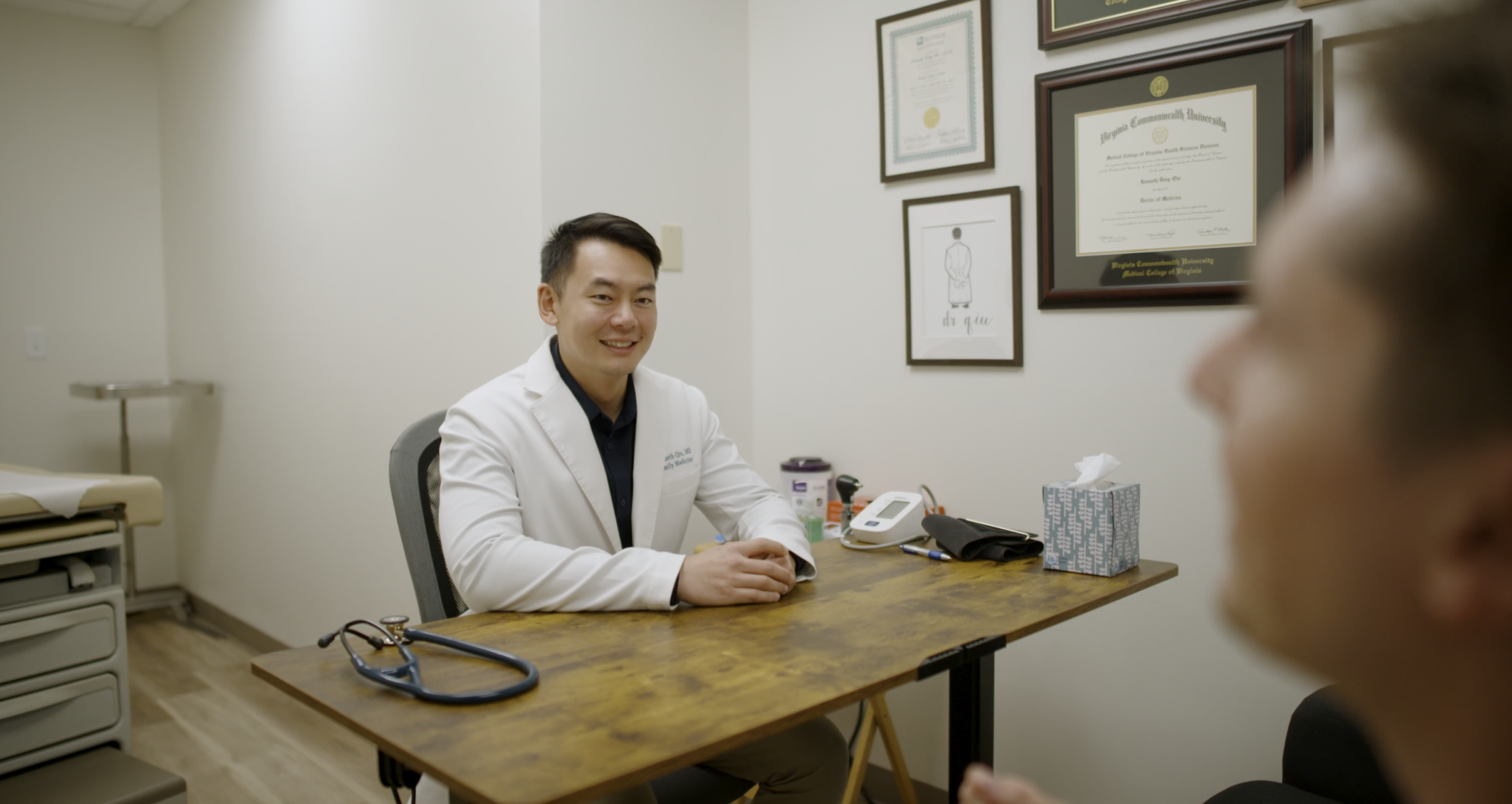
Last month, my practice turned 5 years old. That is wild to me considering sometimes I still feel like “that resident” in the DPC community. But as I look back, there’s been quite a lot that’s happened. I started with a friend of mine straight out of residency and have now grown to 4 doctors across two locations with a nurse at each location. We had to let our first hired staff person go. We had a doctor join and leave before finding another great doctor to join our team. On the community level, I served two years on the DPC Alliance Board of Directors and then another two years as Vice President, which is also where I led the effort to make the landmark State of DPC Report. Starting my career as a DPC doc has been a blessing and a blast. Here are some reflections from the last 5 years.
GETTING STARTED
Having Help Helps
Starting with a friend definitely was a big help at the beginning. Both of us worked full time urgent care and we were able to alternate schedules such that one of us was always available if someone needed to be seen. As the practice grew, we also found our skills were complementary. She is a natural genius at logistics and organization while my strengths lie in growth (networking, ads, partnerships), contracts, and tech. Opening the second location and hiring employees came with their own challenges. Dividing the tasks and learning how to tackle new problems with someone else has made the slight increase in complexity much more manageable.
Just Do It
Doctors have this particular habit of needing everything to be perfect or knowing everything before taking a small step forward. When lives are at stake, this makes a lot of sense. However, this trait becomes a hindrance when running a business. Many business people say running a business is like building the plane while falling out of the sky. Another saying goes, if you have the perfect product before shipping, you’ve waited too long. Some doctors get paralyzed even at the opening step because they don’t think they know everything or they go and pay a ton of money for “consultants” who mostly provide the same reassurance we provide our worried well. There’s so much I’ve learned since opening and so much I continue to learn, including plenty of things I did wrong at the beginning and had to correct over time. You just have to do your best, do no harm, and keep learning because often good enough is good enough.
GROWTH
Setting a Runway
There are many factors which determine practice growth speed. My practice grew at below average speed (anecdotally, 100 patients in 1 year). I attribute the slow growth to our full time practicing in urgent care, a bit of my own ADD doing other things, and being new doctors in a town that had never heard of DPC. When my third doctor joined, he hit 300 patients in 6 months. He’s easily one of the most hospitable people you’ll ever meet, he had spent a year at a nearby FFS office, and that office announced he was joining my practice when he left. The only thing holding him back was how fast he could see new patients. Our fourth doctor (who ended up leaving) came from a clinic 45 minutes away and got to 80 patients in 6 months before he left. We kept the majority of his patients at our practice. Our newest doctor has already reached about 50 in her first month. She also came from a nearby practice. Given the variety of factors which affect growth speed, take your own situation into account and set a reasonable timeline you’ll stick to before judging whether it’s working.
Manager vs Maverick
The start of this year was a big transition for me as I wound down a lot of my leadership activities to focus on the practice. I previously wrote about my transition from the “heroic founder” to a team manager. This is a big step in the growth of a practice and development of a new mindset. Most DPCs will not or cannot make this transition. The State of DPC report showed that almost a third of all DPC practices are solo docs with no staff. While most are content staying as a micropractice, I have seen others who wanted to add more doctors or locations and end up going back to practicing just by themselves which proves this requires a different skillset than just running a solo practice. Part of this transition for us was letting our first hired staff person go. It was an unpleasant situation and one I put off longer than I should have. Sometimes people outgrow the job, and sometimes the job outgrows the person. Neither is a character flaw. The fit that worked at the beginning was gone. “Hire slow, fire fast” is one of those business clichés that exists for a good reason. Dragging it out doesn’t make it kinder to anyone, including the rest of the team. A few key points for transitioning to this newer stage:
1. Having some sort of partner or trusted partner level staff is critical.
2. Learn to give others authority and autonomy over things you would usually just take care of yourself. Doing everything goes from being a badge of honor to an operational bottleneck.
3. Unless everyone is psychic at the practice, much more communication is required.
BUILT DIFFERENT
If You’ve Seen One DPC
One of the mantras of the DPC movement is “if you’ve seen one DPC, then you’ve seen one DPC.” And while the diversity is celebrated, many still insist they are the arbiters of truth, especially on certain Facebook groups. Even within my practice, I’ve experimented with variation. For example, we started with the most common age tiered pricing model and have now transitioned to family pricing. My pricing has functionally gone up twice since we opened, once when we made the transition to family pricing and once afterwards. We charged for EKGs at one point then dropped it and we held strong in not charging for POC testing or procedures like injections. Our patient paperwork has changed since we opened. I went from Google Sheets to a real bookkeeper. We changed accountants once and legal three times. All this is to say, there’s no one right way to run your DPC. Things change, circumstances change. While it’s good to get help and advice from your real life and internet friends, take everything with a grain of salt and figure out what works best for you.
Understanding Employers
An amusing development has happened over the last 6 or so years where new DPC practices will have an employer section on their website, even if they are a single doc shop with no staff. I did this as well and went pretty deep into understanding the employer space. My takeaway is that if you are a smaller DPC (5 or fewer docs with 1-2 locations), actively engaging employers is a waste of time, especially if you have no interest in becoming a multi (3+) location, multiple clinician operation (see manager vs maverick above). The key word is actively. In the history of employer sponsored DPC, most stories involve happy accidents where a CEO or head of HR joins a DPC, loves it, and insists on the whole company having it. Most of those stories also involve tiny companies of a dozen or so people at most. We have had the same experience. I spent dedicated time approaching employers for a couple years and realized most don’t understand, don’t want to spend extra, or we were simply too small for them. Going through brokers isn’t much better. 80-90% of healthcare brokers are paid nicely by health insurance and have no interest in DPC. Of the rest, maybe half are competent. What has changed is the passive side. Recent developments, like Mark Cuban’s interest in DPC and the HSA law, have brought more attention to DPC. Aggregators like Mending, Aligned Marketplace, and Hint Connect have helped connect larger employers with small DPCs without any active effort from the DPCs (disclaimer: I participate in all three programs and am on advisory boards of all three companies). So unless you really want to scale (a dirty word to some), there’s no point going after employers. Be open to it and participate with aggregators if you want, but having just retail patients is perfectly fine and sustainable.
BUILDING WITH CARE
Doing DPC at the start of my career has been rewarding. I’ve been able to focus on building a practice with care at its core rather than trying to build some care around coding. Working outside the insurance box has also allowed me to better understand the system as a whole and the incentives driving all the moving parts. We’re already trained to do medicine. DPC gave me the freedom to figure out how to practice the best I can by actually doing it unhindered, alongside patients who chose our practice and doctors who chose to build this with me. Five years in, the practice looks different than it did on day one, and the version five years from now will likely look different still. What stays constant is that everything else exists to protect the doctor-patient relationship and the time to do primary care the way it was meant to be done. That was the reason to start, and it’s still the reason to keep going.








Congratulations! Personally I have no desire to grow, but I am almost 56.
Well said. Nice work.
Very enlightening!! Thanks, Dr. Qiu!
Very inspiring. Thank you.