BUCA Masterminds Attempt to Answer for Their Involvement in Destruction of American Healthcare
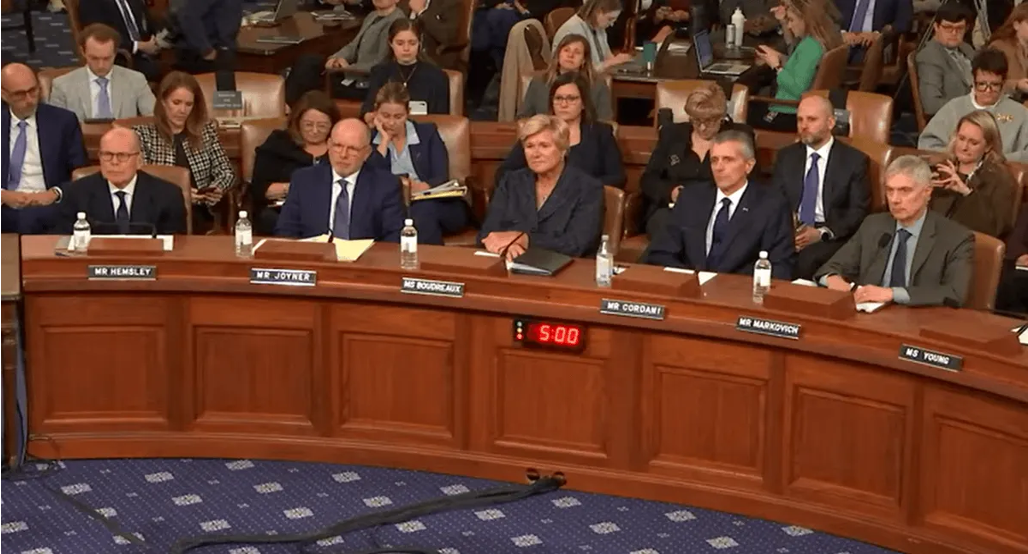
As you’ve seen me use the acronym before, “BUCA” stands for Blue Cross, United Healthcare, Cigna, Aetna. They had a terrible, horrible, no good, very bad day last week as they were hauled in to appear before Congress.
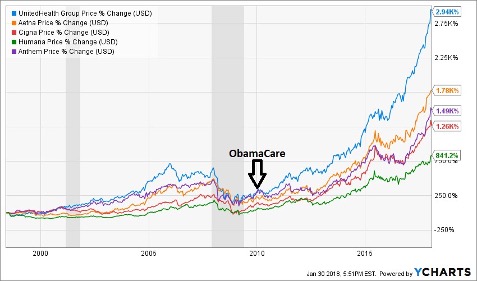
But, you know what didn’t have a bad day? Or week, or year, or decade, ever since the Affordable Care Act was passed? You guessed it, their stock price. It stayed steady, even considering some of the most pointed and angry questions from America’s lawmakers.
Indeed, BUCA stock is a sure bet, unfortunately, and apparently, there’s nothing to worry about among those who invest in it. In other words, nothing is going to change. Thanks to Carl Schuessler and Mitigate Partners for this familiar line graph (which needs updating again) showing the massive profits the ACA handed the BUCAs on a silver platter.
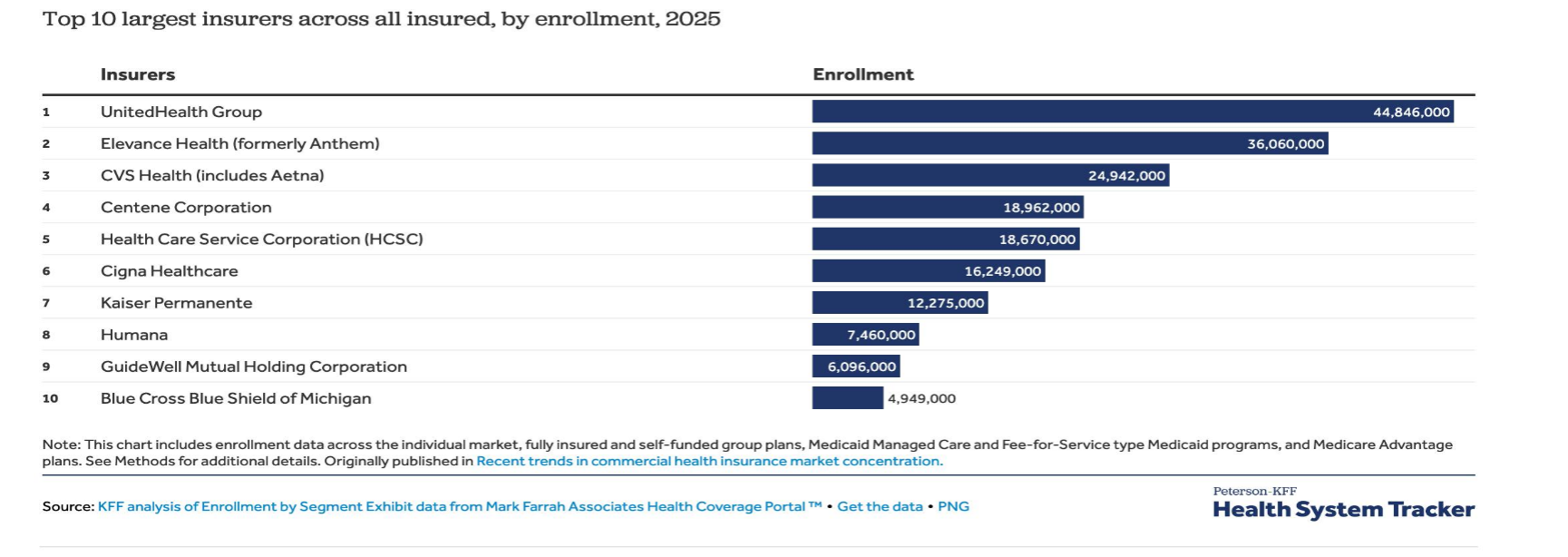
I’ll say it again. Nothing is going to change. The only thing that will happen is the continued vertical integration of more healthcare services. Like I’ve said before, stop calling these companies “insurance companies”. They don’t even call themselves that anymore. They call themselves “healthcare services organizations”. And that’s what we need to realize…that their #1 priority is vertical integration.
Here’s my prediction for the near future:
- Elevance (BCBS plans) and Cigna are going to have to copy UHC and CVS Health (formerly Aetna), as they led the way in vertical integration. UHC and CVS Health both own pharmacies. So, expect either Elevance or Cigna to try to acquire Walgreens and/or Health Mart or Good Neighbor Pharmacy brands. Once the prescription drug supply chain is complete, there will be no stopping the massive explosion in the cost of drugs through that channel. BUCAs will stop at nothing to have a place to hide their profits from the MLR calculations that supposedly cap them.
- UHC already owns so many physicians; it’s just a matter of time before they own a hospital. I’m sure there are laws against that in some states, but just give them half a chance. They have the money (and then some). Let’s face it, remember when Change Healthcare (one of UHC’s 2600+ companies) had its meltdown in 2024? That was a major news story. What didn’t necessarily make the news was how they used that event to eventually acquire many of the practices they’d dealt the final blow to. Cha Ching! UHC laughs all the way to the bank…again.
This is where you, the DPC community, come in. If you don’t already have a response to what BUCAs are doing, it’s time to get started on your 2026 strategic plan. I’d love to see these things happen:
- More DPC in-house dispensing or partnering with local, independent, community pharmacies. Even if you do Rx dispensing, don’t forget your friends in town who own independent pharmacies. They’re your friends. It’s important to ensure your patients have a local pharmacist on their care team. When you ask patients where they “want” their prescriptions sent, push back a little if they mention any of the “bigs”. Likelihood is that they can’t tell you the name of a single pharmacist on that staff, and that’s no good. Relationships…we need personal relationships, folks! The kind where you know each other by name.
- I’d love to see more individuals who saw their ACA marketplace plans drastically increase in cost learn about DPC + health sharing (if appropriate for them and allowed in your state). Many people paying the drastically increased premiums (because they simply don’t know what their options are) will probably jump at the chance to attend a town hall-style meeting or a meet-and-greet at your office. Consider writing an opinion in your local newspaper or co-hosting a recorded webinar with your local Chamber of Commerce. Be sure to cross-reference those media hits on your other sites and social media channels. I love how so many DPCs are mastering the digital marketing space. Go DPC Go!
This image was taken from Dr. Marion Mass’s Facebook post on January 22, 2026. Let’s give Americans an alternative to paying for healthcare through these companies.







I believe the title of this panel was “Lowering Health Care Costs for All Americans: An Examination of Health Insurance Affordability”. I had the opportunity to feed questions to my Congressman to ask at this panel. My first statement was to my Congressman – Meeting with health insurance executives to talk about the price of health care sounds like having a meeting with the foxes to discuss how to divide the eggs in the hen house. Happy to hear they had a terrible, horrible, no good, very bad day, and even happier to know that at least one DPC Dr. was feeding questions that led to that terrible, horrible, no good, very bad day! This blatant profiteering has got to stop.
Thank you, Dr. Franklin! You know, propping up your smartphone on a tripod to record an interview with your Congressman in your office about this very subject would probably go viral on social media. If you do it, I’ll share it everywhere I can. I want to make a comment about the word “profiteering” used. I hope no one misconstrues that to simply mean “making a profit”. If readers are not accustomed to using that word, look it up in the dictionary. We all need to make a profit. And I’m certainly not accusing people who do. But the “profiteering” (meaning the act of making exorbitant and excessive profit, especially on a scarce item) forced on America by these characters is, to your point, what we are all mad about. It’s putting profits before patients and then using those profits to engage in anti-competitive behavior. Here’s the worst part. They do it in the dark. They’ve avoided transparency for too long. That’s the first thing that needs to stop. America needs to be able to see the costs in the sunlight. If they see the prices and can compare what they’re paying with an alternative way of paying, they will vote with their feet, and the problem gets solved at the community level rather than asking politicians to pass more laws (which the healthcare industrial complex will just ignore, pay the fines, and not change their behavior). Nothing will change until Americans change the way they pay for healthcare.