What I Wish I Knew About In-House Pharmacies
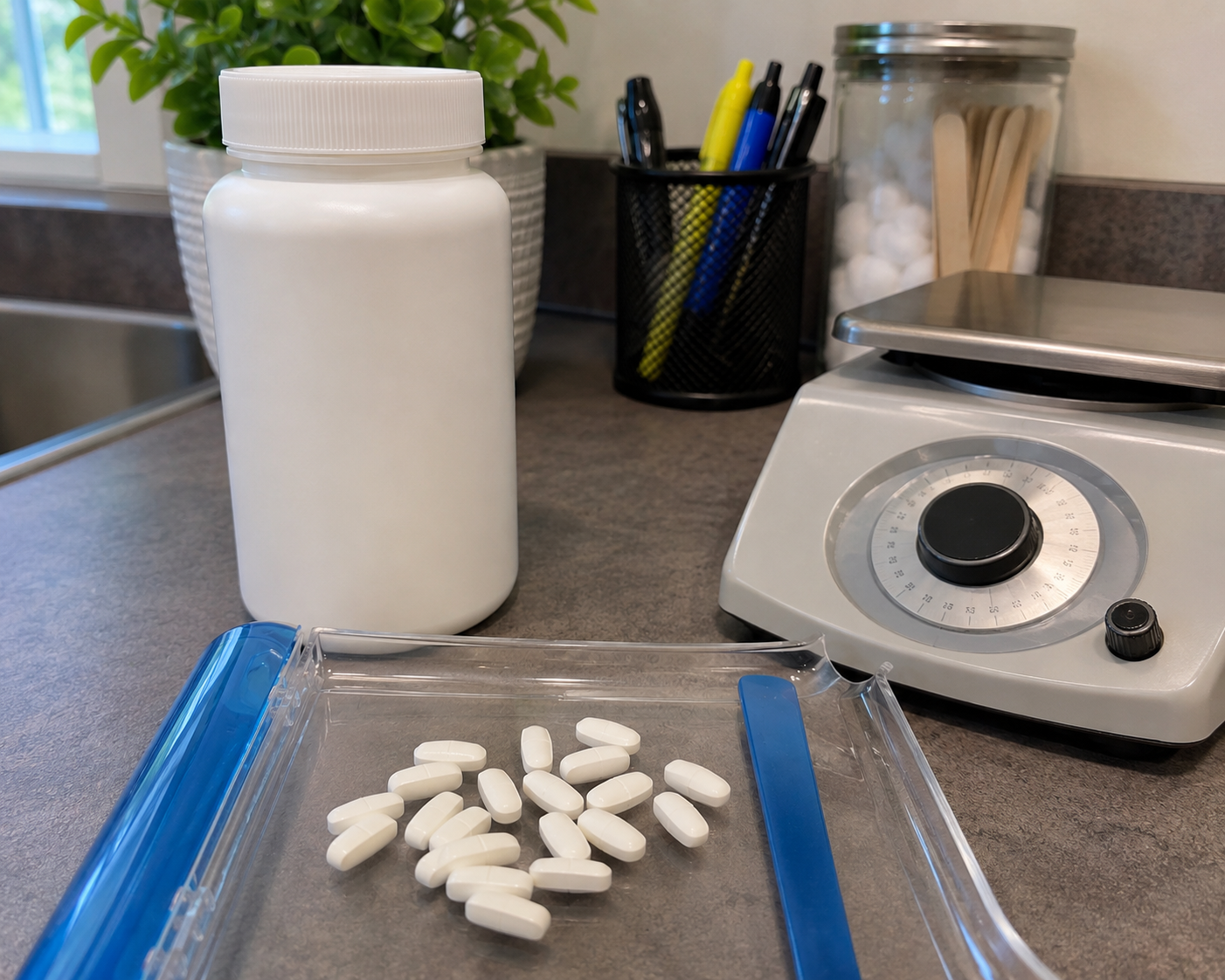
When I started my first DPC practice, I didn’t have an in-house pharmacy.
At the time, it seemed like a really important thing to have. One of those features that would make life easier for patients, save them money, and make my practice more valuable.
So when I later purchased my current practice and inherited an in-house pharmacy, I was excited.
After all, one of the selling points of Direct Primary Care is reducing barriers to care, and having medications available right in the office seemed like an obvious win.
Patients could save money.
They could avoid an extra trip to the pharmacy.
They could leave the office with treatment in hand.
Sounds great, right?
Well… yes and no.
What wasn’t obvious to me at the time was everything happening behind the scenes.
Inventory management.
Regulatory requirements.
Workflow considerations.
Ordering.
Storage.
Expiration dates.
Patient pickup logistics.
As I settled into the operations and workflow of my new practice, I realized that having an in-house pharmacy is far more nuanced than I initially appreciated.
In fact, if I were creating an in-house pharmacy from scratch today, I would spend much more time thinking about what role, if any, an in-house pharmacy should play in my practice before investing heavily in inventory.
So, here’s what I think you should know.
Before You Stock a Single Bottle
My first piece of advice is simple:
At a minimum, understand what it would take to dispense medications in your state.
Learn the regulations. Understand the licensing requirements. Know the rules surrounding physician dispensing, storage, inventory management, and record keeping.
Even if you choose not to dispense immediately, having the capability in place gives you options later.
What I would not do is spend significant money building inventory before you understand who your patients are and what they actually need.
Question #1: Where Are Your Patients Getting Their Medications?
This is probably the most important question.
If you’re opening a new practice, you may not know the answer yet.
Are your patients primarily insured? High Deductable?
Uninsured?
Self-pay?
Do you plan to work with employers?
The answers matter because they influence where patients already obtain medications and what they’re paying.
A medication that seems like a great deal through your office may already be inexpensive through a patient’s insurance plan—though we all know insurance formularies and pricing are constantly changing.
On the other hand, uninsured patients may benefit tremendously from medications dispensed directly from your office.
The reality is that until you’ve been open for a while, you may not know which medications your patients use most frequently or what barriers they face when trying to obtain them.
That uncertainty alone may be reason enough to start small.
Question #2: What Will Your Workflow Look Like?
Dispensing medications sounds simple until you start thinking through the logistics.
Who manages inventory?
How are refills handled?
What happens when a medication is out of stock?
How quickly can patients obtain medications?
What are your pickup hours?
Will patients need to make a special trip to your office?
If most of your patients live nearby, this may not be a problem.
If many of your patients drive 30, 45, or even 60 minutes to see you, asking them to come back for a refill may not be particularly convenient.
Convenience is only convenient if it actually fits your patients’ lives.
Question #3: Are There Easier Alternatives?
One question I wish I had considered earlier was this:
Can I achieve most of the same benefits without carrying inventory?
For many medications, the answer may be yes.
Patients today have access to discount pharmacies, mail-order options, coupon programs, and services like Mark Cuban Cost Plus Drugs.
Depending on your patient population, these options may provide similar savings with significantly less work on your end.
Question #4: What Kind of Medications Do You Actually Want to Carry?
Not every in-house pharmacy has to look the same.
Do you want to carry chronic medications?
Acute medications?
A little of both?
My current strategy focuses primarily on acute medications.
I like being able to send patients home with treatment for things like urinary tract infections, strep throat, or ear infections.
Patients can start treatment immediately, avoid an extra stop, and get better faster.
I don’t carry pediatric medications because that would require additional inventory, formulations, dosing considerations, and workflow.
For my practice, focusing on a limited number of acute medications has provided much of the value of dispensing without requiring large amounts of inventory.
Question #5: How Will You Manage Inventory?
Chronic medications create another layer of complexity.
Will you order medications as needed or purchase them in bulk?
What happens if a patient changes medications?
What if they leave the practice?
What if a medication sits on your shelf for months?
Inventory represents money, but it also represents attention, storage space, tracking, expiration dates, and workflow.
These are easy things to overlook when you’re first getting started.
A Lesson I Didn’t Expect
One thing I didn’t fully appreciate was that every bottle on the shelf represents more than medication.
It represents time.
It represents workflow.
It represents mental bandwidth.
I don’t make money on medications. I sell them at my cost because my goal is to improve convenience and reduce barriers for patients.
But even when medications are sold at cost, there is still a real operational expense associated with ordering, tracking, storing, dispensing, and managing inventory.
That doesn’t mean an in-house pharmacy isn’t worth it.
It simply means the calculation is more complicated than I initially realized.
My Advice
Build the capability.
Understand the regulations.
Know what it would take to dispense medications in your practice.
Then let your patients guide the decision.
Don’t assume you need a fully stocked pharmacy on day one because that’s what you think a DPC practice should have.
Learn who you’re serving first.
You can always add medications later.
And regardless of what you choose, don’t stock up until you know what your patients actually need.
A few medications can go a long way while you’re figuring that out.