Prioritizing Patient Safety
Written by Emily O’Rourke, MD
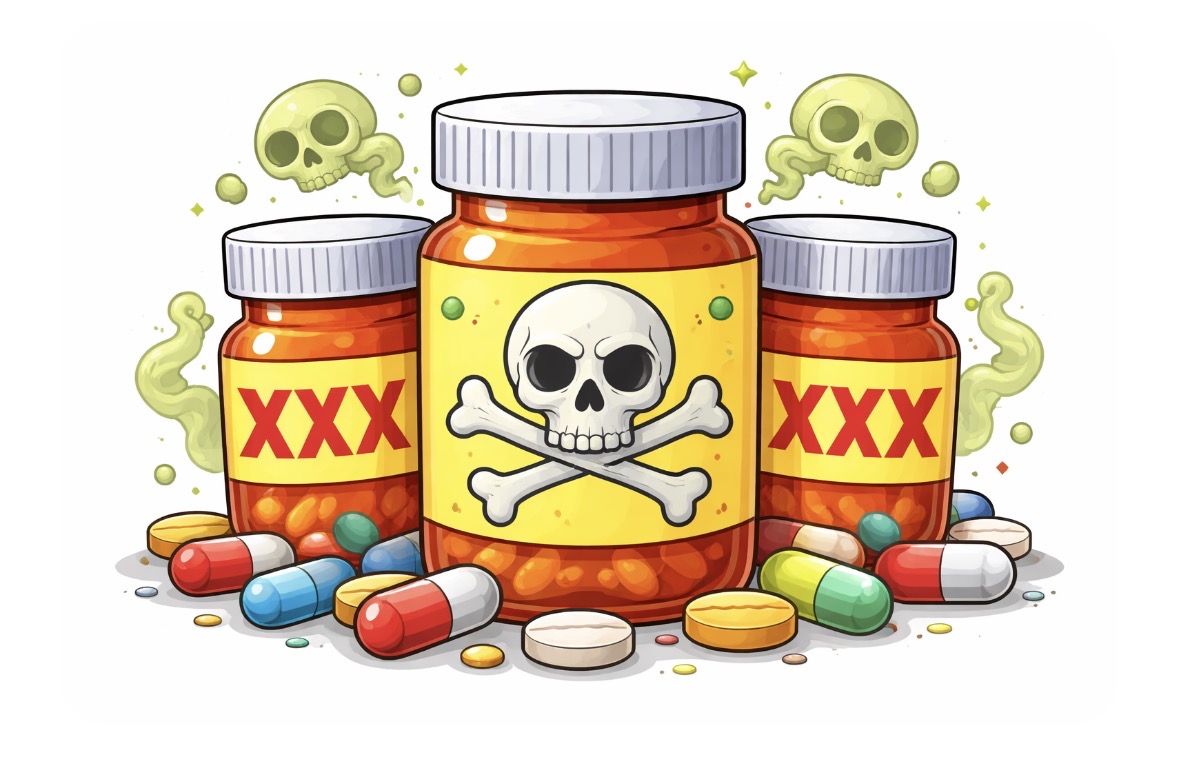
Opioids can be useful in treating acute pain, such as severe injury or post-operative pain. They are also useful for end-of-life pain relief. In most cases, though, opioids should not be used for treating chronic pain. In fact, when used long-term, opioids result in increased pain due to tolerance and dependence, such that higher and higher doses are required, not only to relieve pain, but also to prevent withdrawal symptoms. Similarly, although benzodiazepines may temporarily relieve severe anxiety, regular use will cause worsening anxiety over time, and these medications can cause severe withdrawal symptoms, even death, if stopped abruptly. Weaning off benzodiazepines is extremely difficult due to the combination of physical dependency and psychological addiction. Sedative hypnotics for treating insomnia, such as Ambien, as well as medications like gabapentin for treating neuropathic pain are very similar to benzodiazepines. Increasingly higher doses are needed to get the same effects, and weaning off these medications is difficult. Also, all three types of medications interrupt REM sleep, negatively affect memory and cognition, and increase the risk of dementia. Although amphetamines are not associated with physical dependency like opioids and benzodiazepines, they are psychologically addictive, and even when they cause significant physical side effects, patients are often reluctant to stop taking them due to perceived benefits. Because all of these medications can be dangerous and addictive, prescribers, pharmacies and patients are closely monitored for the prescribing, dispensing, and purchase of these controlled substances.
My risk tolerance has always been very low when it comes to patient safety. I will not prescribe medication for a patient unless I strongly believe that the benefits outweigh the risks. For this reason, I have always prescribed controlled substances rarely and judiciously. However, even with appropriate use, the risks of addiction were high. Ambien prescribed following the death of a spouse led quickly to dependency, but the prospect of facing both sleeplessness and grief while attempting to wean off an addictive medication seemed insurmountable. Percocet prescribed to a patient passing a kidney stone would also provide complete relief of previously tolerable arthritis pains, and it was hard to argue with a treatment that worked. Xanax prescribed for a fear of flying would inevitably be taken during all types of stressful situations until it had become a daily habit. Unless patients are highly motivated to treat their addiction, weaning off these highly addictive substances is next to impossible. Any alternative treatments will immediately be rejected as ineffective. A therapeutic relationship is no longer possible once the goals of the patient and physician are not aligned, which occurs during prescription drug addiction.
When I first started my Direct Primary Care (DPC) practice, I decided that it would not be ethical to prescribe chronic controlled substances within a membership model because patients would essentially be paying monthly for access to addictive substances. Certainly, there are numerous telemedicine platforms with this model: online drug dealers masquerading as medical care, profiting off patients at their most vulnerable, often leaving them with lifelong addictions. Sometimes my patients present with side effects of controlled substances obtained from other prescribers, and I address this like the abuse of non-prescription substances, such as alcohol, nicotine, THC, or kratom. Often, they aren’t ready to face the addiction, but it’s all the more important that they have a primary care physician to manage their chronic conditions and screen for new conditions. I have had patients come to me for help getting off addictive prescription medications, and I have helped them to wean off safely. I feel good about creating a safe space for my patients, where they can feel comfortable knowing that addictive substances will not be recommended or prescribed. My patients with a history of prescription drug dependence appreciate my vigilance. They know that if they come to me with symptoms of pain, anxiety or insomnia, we can explore the non-addictive treatment options.





appreciate this post! would love to hear a few pearls about which non addictive treatments youve found most effective .
This is such a great article and thank you!
Just had a patient come to me asking to help him get off Flubromazepam (designer benzodiazepine from the internet). Wondering if we could connect to discuss.
Very interesting post.
I have some of the same thoughts. If patients pay me monthly for access to their controlled/addictive substances, did I just become their licensed drug dealer?
At the same time, there are legitimate uses to these substances, so by declining to fill these in ALL cases, are you then cherry-picking patients, one of the major DPC criticisms? We’re primary care docs – there is a gray area in almost everything we do.
Early on in my practice, a non-patient called and wanted to become my patient but was on Valium 10 mg TID. It took me a couple hours to come to this conclusion, but I agreed to accept him only under the condition that we would start to wean the Valium the day he joined. By not accepting him, I would have been cherry-picking.
You do bring up a good point, though. By me accepting these patients, am I compromising their safety for my fear of losing a customer?
You also bring up another thought and that is about outcomes measurement. I’ve heard a lot of physicians in the DPC space say that if they have a paying customer, then they are doing a good job as a physician for that person. But you could fill your panel full of folks on controlled substances and continue them, but doing so doesn’t necessarily make you a good physician. Makes me wonder about how to actually measure/know if we are doing a good job other than just the number of paying members we have. Would love your thoughts there.