How Are You Dealing With The World Of Home Testing?
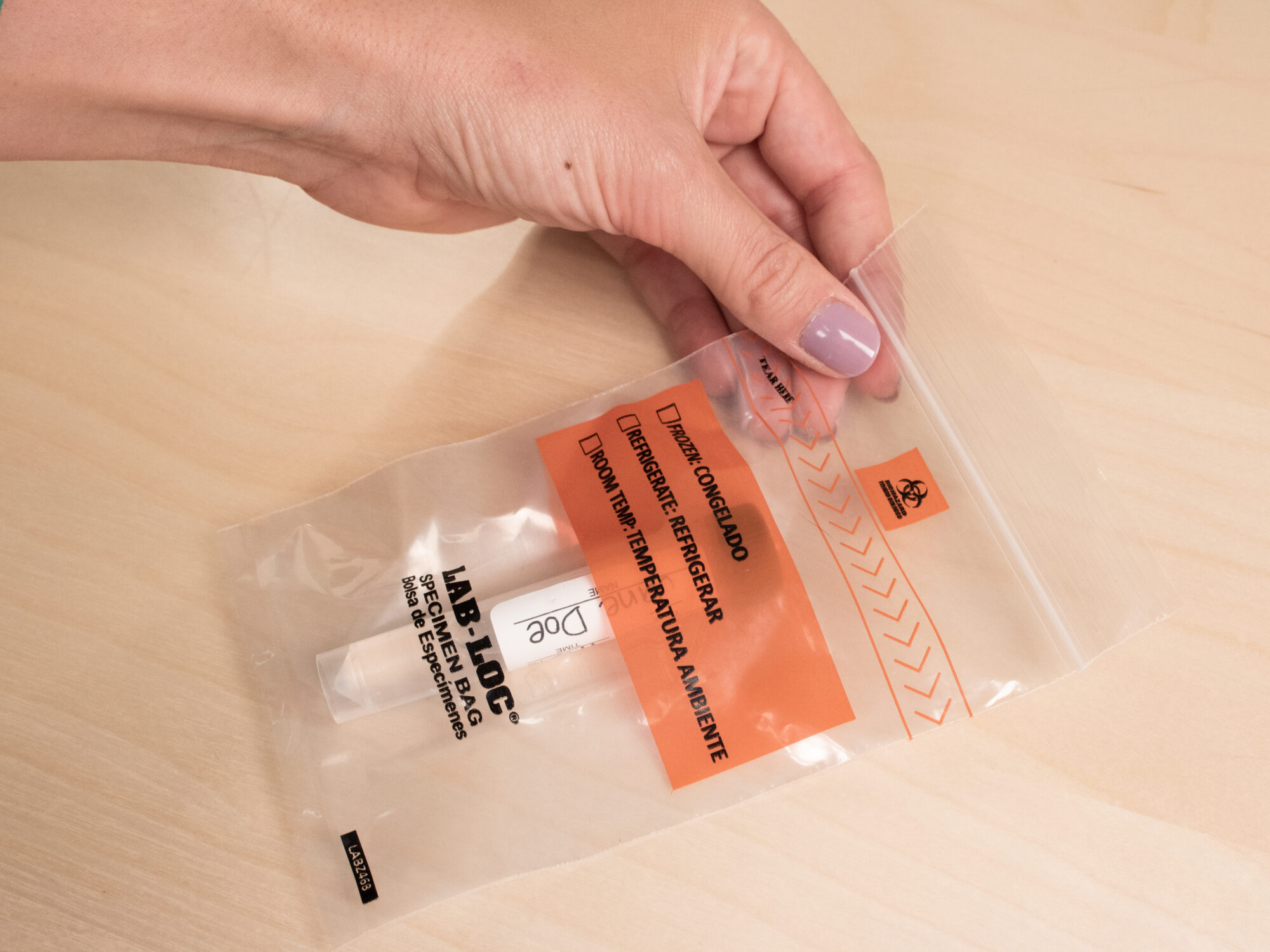
There is a lot to unpack in this article from the Washington Post called Doctors couldn’t help. They turned to a shadow system of DIY medical tests. For one, I understand why the patients are doing this. If all you get is seven minutes with your doctor, then you are going to be frustrated. Patients will take things into their own hands especially as the information online (real and fake) has exploded. And guess what? As the article says, so have the start-ups backed by private equity and venture capitalists who want to capture these patients’ money.
On one hand, I believe the insurance system is built around economics. We are not recommended to screen for things like Vitamin D or hypothyroidism because it would cost too much. Really? These labs are pennies on the dollar in a DPC office. I learned this lesson early in my practice and expanded my labs because I thought I could add to my care. I was even doing Lp (a) in 2016 (yes, it’s tough to modify this but it’s good info to know). To summarize, there is GOOD information about getting extra labs if they are affordable. That is the beauty of DPC.
On the other hand, there is a lot of bad labs out there. Stuff that is absolute b$llshit and unproven. Not that I didn’t fall for it at times as well. I am not judging. Listen, I am hopeful that gut bacteria testing will be good but I don’t think the evidence is there. I think your gut bacteria can change daily and if you did sequential stool analysis over a week it would prove that it is a crapshoot (yes, I said that). That is just one example but I am sure there are others.
Lastly, the doctor in the article is correct when she says, “I’m not a restaurant!” We don’t want to be taking orders from patients like a waiter or a barista a Starbucks. “I would like a double shot of stool samples, with extra blood for polymorphisms, and a hair sample DNA analysis on the side.”
The advantage we have as DPC docs is time and communication. We have time to actually discuss and even learn from our patients about the labs they want. We can communicate with them in person or better yet, through newsletters, about what we are seeing and learning about new labs or home lab companies. That may stop a lot of trouble before it gets to your door.
I am open to what you think about this. What are others doing?







Investigating the stool microbiome is a good example of what makes practicing DPC such a joy…..I have time to do it! The stool microbiome is the new frontier. There is a reason that we say “the practice of medicine” and that is there is an ART and science to it. A lot of science is developing with the stool microbiome, but at this point, there is still a lot open to interpretation, which is where the art of medicine comes in. I have done a deep dive on the topic and no longer use the usual Miralax and big pharma drugs to treat constipation/IBS, and I don’t always have to tell patients it is all in their heads. It is specific to the patient and the GI-Map profile. While it is very true the exact results can change from day to day, patterns on the testing do emerge, and your interventions become patient-specific. Diagnostic Solutions Laboratory stool test is covered by traditional Medicare (not medicare advantage…big shocker). What I like about this company is that as a practitioner, when you create an account, you have access to an extensive library of education. For self-pay patients, I have used tinyhealth.com, which is okay but has some downsides. Listen to your patients, do your due diligence, and DO NOT FOLLOW THE MONEY (i.e. big pharma).