Combining Direct Primary Care with Ketamine Treatment Services
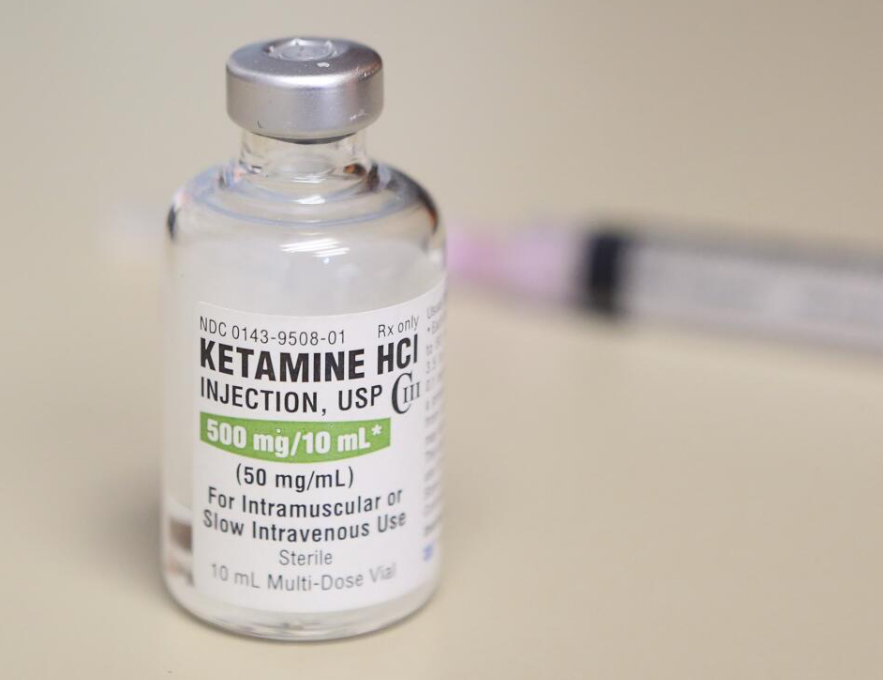
At first glance, integrating Ketamine services into a Direct Primary Care (DPC) practice may seem unconventional, but I believe the synergy between these two services can be truly beneficial. Ketamine is legal in all 50 states, along with many other countries, and is a great tool for healing!
The beauty of primary care lies in its flexibility, allowing us to create a practice that aligns with both our professional passions and the unique needs of our patients. In my own journey, I’ve found that embracing the advice I give to my patients—such as prioritizing nutrition, compassion, sleep, and movement—has been transformative. Achieving balance in my life has been essential for healing both my body and mind. A significant part of my self-compassion journey has involved my personal experiences with psychedelic-assisted therapy.
The term “psychedelic” often refers to substances that alter consciousness, helping individuals access non-ordinary states of awareness. These experiences can sometimes allow us to tap into a deeper, dream-like state, where we connect with our inner healer. To facilitate this connection, it can be essential to soften our defenses, letting go of outdated beliefs and behaviors that no longer serve us. This process can be an integral part of healing.
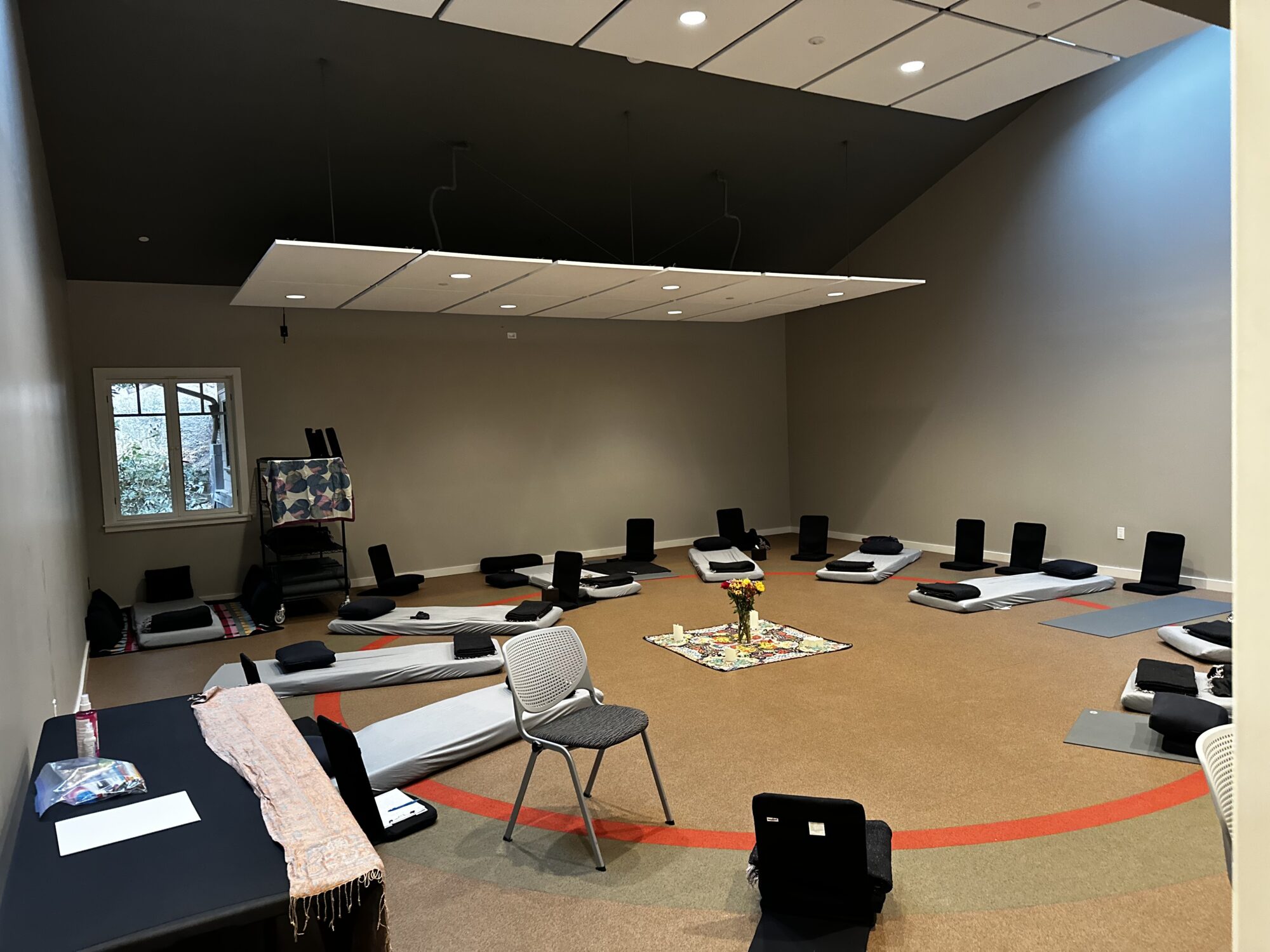
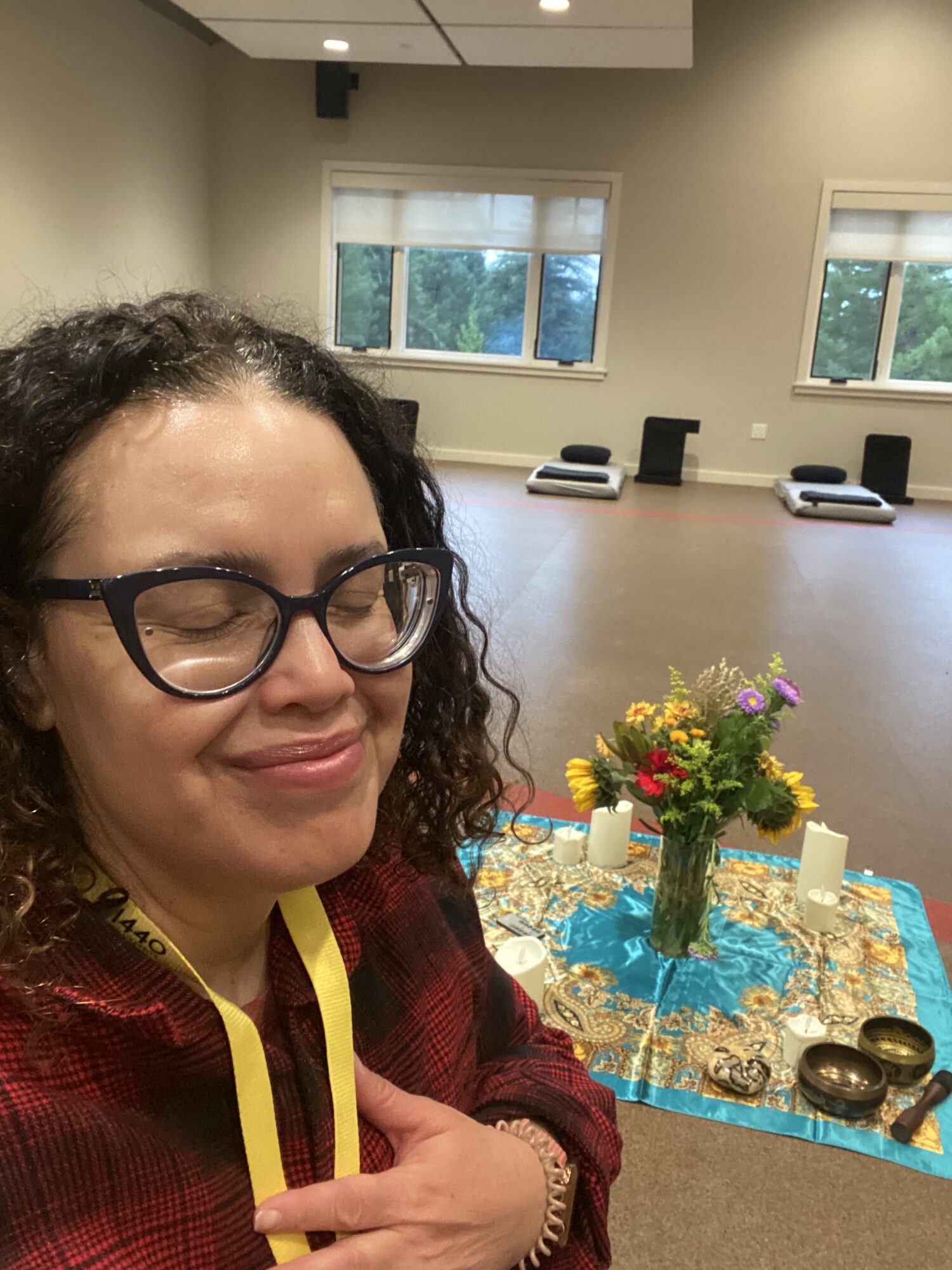
My own experiences with psychedelic treatments have been pivotal in healing my trauma and allowing me to step away from my corporate medicine career. Having undergone this healing journey myself, and with the proper training, I feel confident offering these services to my patients. I conduct thorough medical evaluations that last between 60 and 90 minutes, and the Ketamine journeys themselves typically span three hours. The first hour is dedicated to checking vital signs, setting intentions, and preparing for the journey. My patients usually spend two hours in their journey, and I stay with them as they connect within.
During these sessions, I provide a safe and supportive environment while they experience carefully curated music. My role is to be present without intervening, ensuring their safety while taking notes on their verbal expressions. At times, this can involve hearing difficult memories or painful beliefs. I do not interpret these statements; I believe that less intervention is often more effective. After the journey, I recommend that patients work with a therapist to integrate the insights they gained, as Ketamine sessions can offer profound self-discovery.
A new and exciting aspect of my work involves facilitating group Ketamine experiences for organizations. Recently, I had the privilege of guiding a group of 20 trainees, where 10 participants experienced the journey while the other 10 acted as supportive sitters. Afterward, they switched roles. It’s incredibly powerful to support healthcare professionals—physicians, nurses, therapists, and others—as they learn to work with Ketamine. The first step in offering healing to others is healing ourselves, and this tool has helped many in the healthcare field. Community is a form of healing, and engaging in psychedelic therapy allows us to become a source of healing for one another!







Essentially, Using a medically prescribed “LSD” type treatment. Don’t get me wrong. I had a couple of surgical procedures in hospitals where I practiced medicine as a resident doc and later as an attending doctor and asked the anesthesiologists/anesthetists, “What are you using to put me down?” They knew me and happily said said, “A bit of ketamine and fentanyl.
Two of the “MOST EVIL” drugs they say are out there. Oh man, in an anesthesia person’s hands they can put you down,
do the surgery and boy or boy you wake up very clean!
No puking all over the place. I had diethyl ether when I was 6 years old for a tonsillectomy and puked my guts out thereafter. That was bad but those were the days in the 60’s where they believed all kids tonsils needed to come out.
It was a remnant from the days before penicillin was prominent. Took the docs 20-25 years before they realized they could treat strep throat with a penicillin shot.
Oh man, I hated to hear the throat culture was positive because I knew it meant a shot in the arse when I was a kid!
Yeah, I’m an old guy but I didn’t end up with some post-streptoccal anomaly thanks to my mom and dad.
Kurt