The Kid Who Texted Me at 9 PM Changed Everything
I didn’t go into medicine to fight insurance companies. I didn’t go in to stare at a screen for eleven minutes and call it a visit. I didn’t
go in to manage a panel so large I couldn’t tell you what grade my patients were.
I went in because I wanted to take care of kids. And somewhere along the way, between the prior authorizations and the productivity metrics and the nine-minute appointment slots, that version of medicine — the one I had actually trained for — started feeling like a fantasy.
Pediatric Direct Primary Care gave it back to me.
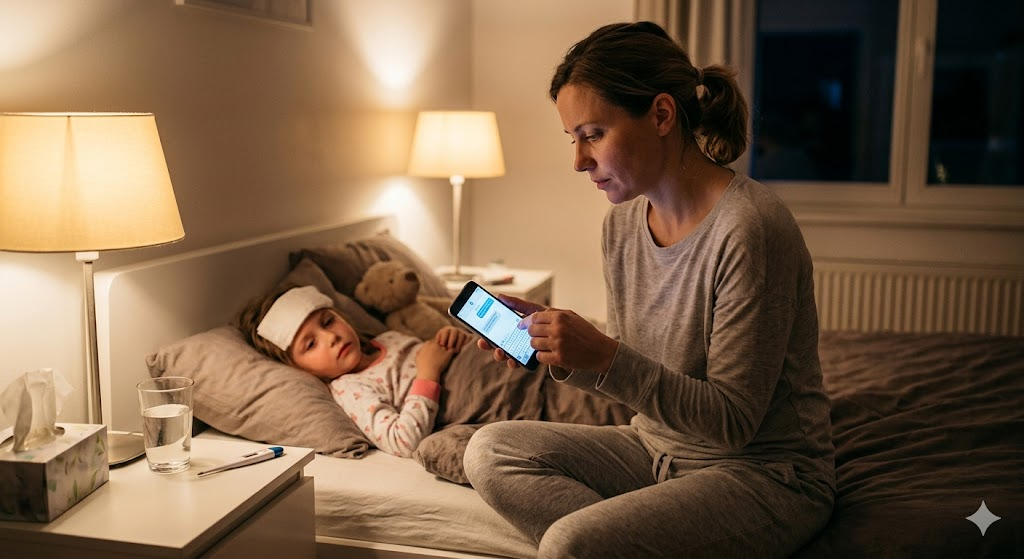
Take asynchronous care. In traditional practice, medicine officially happened between 8 AM and 5 PM on weekdays, which is a remarkable fiction if you’ve ever spent any time around children. Kids don’t spike fevers on schedule. Rashes don’t wait for Monday. The anxious mom whose son woke up with an ear that looked wrong at 9 PM on a Tuesday — she doesn’t need an ED visit. She doesn’t need to wait until morning, spend an hour on hold, and then get told the first available slot is in four days. She needs thirty seconds of my time and a confident answer from someone who already knows her kid, with the opportunity to see them first thing in the morning.
That’s what I can give her now. A quick message, a photo, my clinical judgment applied to a child I have actually examined before — and the problem is either solved or escalating appropriately. No one racks up a facility fee. The family goes back to sleep. Medicine happened at the right time, in the right way.
Another perk that I never thought would materialize is becoming better at my job. For instance, I know how my patients are developing while I watch them play during the appointment. I can see things that no ASQ developmental screen will catch. This, in turn, leads to earlier intervention, which will improve outcomes years ahead of time. It’s not like my training is any better than my colleagues. It’s because I have more time with my families. No amount of precharting or forms will ever replace that. It’s the way I imagined medicine should be. A relationship, not an ICD10 code.
I encourage any pediatrician frustrated with the system they are in today to peek around the curtains. See the different path and give it
a try. I promise it will be worth it!