I Owe Metformin an Apology
When I was 33 and pregnant with my first child, I was diagnosed with gestational diabetes. When I gave birth, I was told the diabetes was resolved. Looking back, I should not have taken that advice. Four years later, during a wellness screening event at my employer at the time, my fasting blood glucose was high, and it was determined that I had Type II Diabetes.
Of course, that sets off a series of familiar events. The first of which was a prescription for Metformin, as well as the advice to reduce sugar intake and switch to “sugar-free” products.
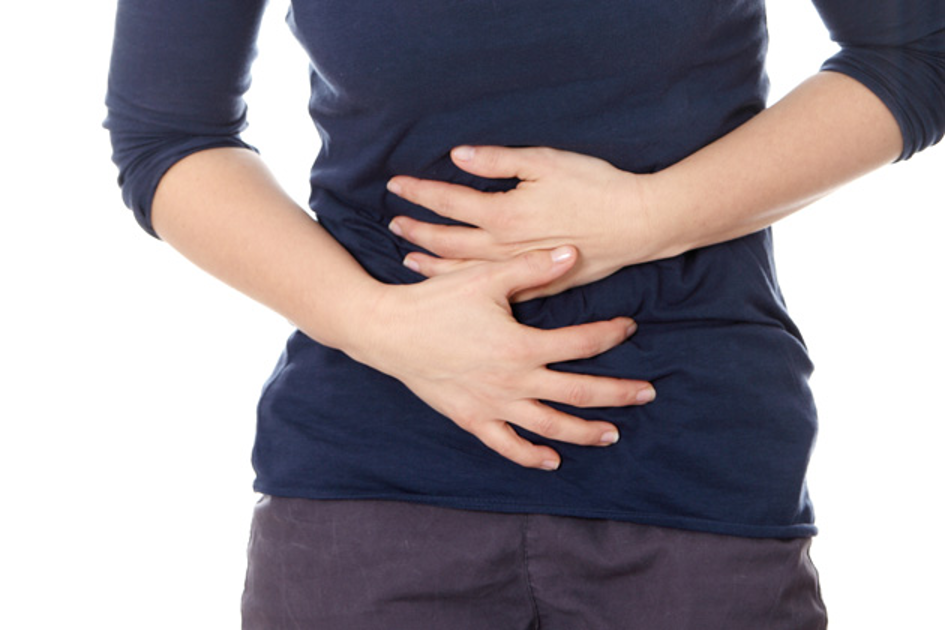
The warnings about Metformin include that it can cause gastrointestinal problems, such as stomach cramps, bloating, and diarrhea. Those same warnings also apply to the chemicals it takes to make something taste sweet while being labeled “sugar-free”. Hardly anyone talks about those.
I spent many years struggling with my blood sugar and blaming Metformin for the tummy troubles associated with it. During this same period, I gladly enjoyed “diet” sodas and other sweet-tasting items with one or more of the following chemicals on the ingredient list:
- Stevia
- Sucralose
- Sorbitol
- Xylitol
- Erythritol
- Advantame
- Acesulfame Potassium
- Saccharin
- Neotame
- Aspartame
Each of these chemicals causes tummy troubles of one variety or another. Oddly enough, once I started wearing a continuous glucose monitor, it revealed to me that these chemicals still caused my blood sugar to rise, even though they claim to be sugar-free. That important data collection made me question whether these chemicals were true to their claims.
Recently, I decided I’d had enough tummy troubles, and I swore off artificial sweeteners. I add cream to my coffee, drink hot tea plain, and the only other liquid that passes my lips is water. It was hard to get those beloved chemically sweetened flavors out of my system. Let’s face it, these chemicals are (in some cases) 800 times sweeter than real sugar. No wonder I was addicted. So, I knew I had to do it.
I noticed the tummy troubles began to cease within a week or so, and by almost 20 days in, they were gone…UNTIL…I broke down and had a diet soda on day 21. This is how I know for sure that artificial sweeteners were causing my problems. – Within 6 hours of drinking the diet soda, I began to have the same prior tummy troubles. Those side effects lasted through the night.
When I woke up the next morning, I knew that was the LAST soda I’d ever consume. I’m on day 60 or so since that epiphany. There’s been no tummy troubles since. And, yes, I’m still taking Metformin. Turns out I was blaming the wrong thing all along.
I was glad to read this article in Medscape this weekend — Switch to Water From Diet Sodas May Boost Diabetes Remission. I definitely feel better and crave sweets less overall now that I’ve completely eliminated artificial sweeteners from my diet.
I know you’re trying to help your patients navigate Type II Diabetes, and many of them probably complain that Metformin hurts their stomach. I share my story to encourage them to give Metformin another try, but to say goodbye to artificial sweeteners forever. It’s not easy, but it’ll be worth it.
PS – another good Medscape article suggests that for patients who also complain of “being hungry all the time” (who may also be asking you for a GLP-1 prescription), cancelling sucralose might help solve their hunger issues. Here’s that article — Sucralose Affects Brain Mechanisms That Regulate Appetite.








I don’t think this is bad advice for most patients, but is a nuanced issue, non-scientific, and does not apply to all patients. I began to have Diabetes symptoms in 2020 and finally pulled the trigger on the keto diet-very low carbs, no sugar, no gluten, etc. I have eaten this way for 5 years, as have many of my patients as well. Here are my experiences so far:
1) This diet (and other low carb diets) completely reverses diabetes. So yes, metformin is good medicine–I prescribe it every day. But what’s better? Curing the disease through lifestyle changes, and taking NO medicine in the first place.
2) A colleague told me that sticking with my artificial sweetener habit would cause my sugars to go high and prevent nutritional ketosis. Also, one of my good friends figured out that some nasty symptoms he was having was due to diet pop. So, I put on a CGM and checked my ketones all the time for several months even after I’d already lost 85 lbs. My sugars rarely went over 100, and my ketones were always good. All the while adding all the sweetner to my coffee I wanted and drinking lots of diet pop. I did labs on myself constantly. I was able to prove that my blood sugar, A1C, and ketones were unaffected by artificial sweeteners. (And I feel the same regardless of intake as well.) SO…Artificial sweeteners CAN have the effects the author describes, and I have heard others argue that they have demonstrated that despite a low carb diet, artificial sweeteners can somehow (probably hormonally) increase blood sugars, but they definitely don’t do these things to everybody.
3) One theory I’ve heard regarding the blood sugar and sweetener issue, (since after all sweeteners contain no sugar or carbs) is that sweeteners maintain the appetite for sugar and are a reason people fail and eat more carbs than they should, which in-turn does increase blood sugar, of course.
4) Please note that this comment is not a claim that artificial sweeteners are healthy in any way- THIS IS NOT THAT ARGUMENT. I doubt that argument can be won! They’re likely not particularly healthy- after all, they’re not food, are processed chemicals, and have no nutritional value. Arguably nobody should ever use them in a perfect world. BUT…if using a sweetener judiciously (which MIGHT be harmful in some ways) keeps a patient like me from falling off the carb addiction wagon and diving head first into a box of donuts or other carb-heavy foods (which is DEFINITIVELY harmful and deadly in 100 ways) then we should avoid fear-mongering about them and not throw out the baby with the bathwater.