DPC Myth #6: You Won’t Make Enough Money to Live Practicing Direct Primary Care
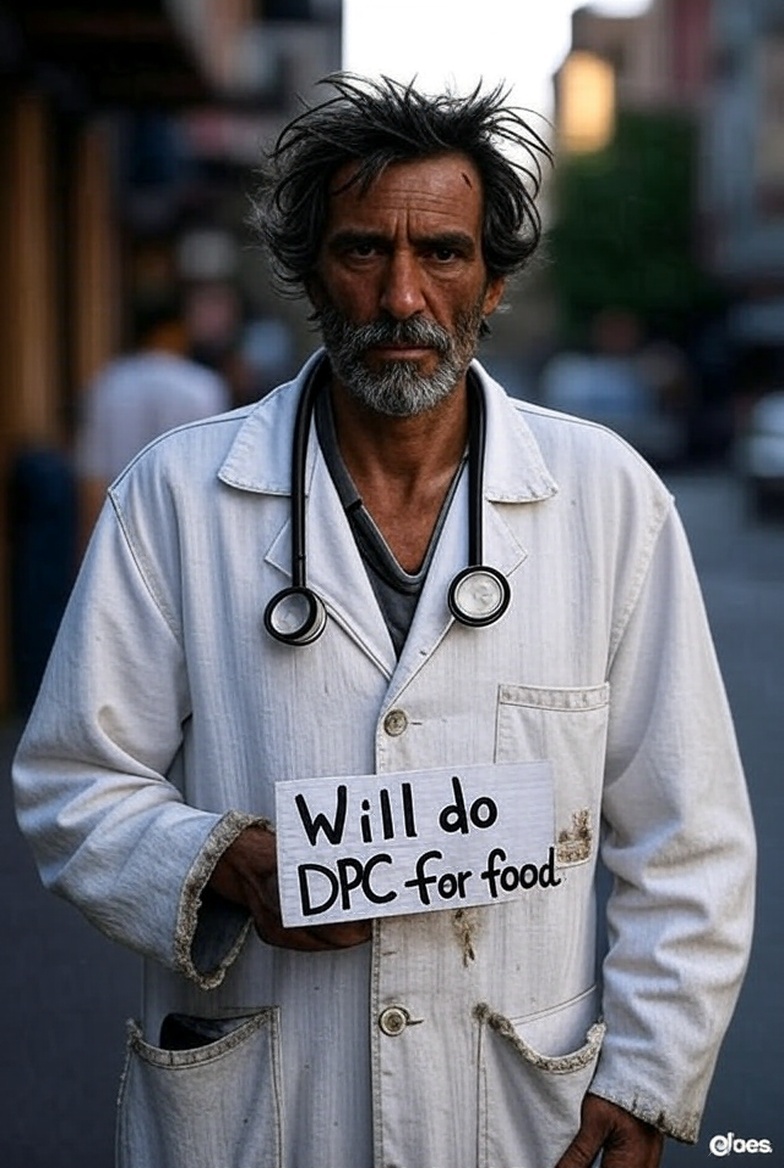
One of the most common fears health care professionals have about Direct Care (no 3rd party participation) is financial insecurity — the belief that leaving an employed position or insurance-based model means sacrificing income and stability. But many in direct care are not only thriving financially, but they’re also regaining control of how that income is earned, spent, and balanced with the life they want.
Real Numbers
The average employed doc often sees so many more patients per day just to keep up with overhead and insurance demands. In contrast, most direct practices operate profitably with a few to several hundred patients — often generating high six-figure incomes — and more because they eliminate billing overhead, prior authorization chaos, and the need for multiple staff to chase reimbursements.
By charging reasonable service and membership fees, even a modest panel of 400 patients can generate significant, predictable gross annual revenue (~500k) — before adding value-based services like nutrition, weight management, or neuropathy care to name just three. The biggest mistake I see when consulting direct care docs is underpricing, significantly, given what patients in their own area or even online are paying for other out-of-pocket services including health “coaches”, peptides, you name it, by those who are not highly trained, and naturally have far less training, skills, experience, and expertise.
Redefining “Enough”
In direct care, you design your schedule, your costs, and your patient volume. That means you can align your income with your personal and professional goals — whether that’s more family time, a four-day workweek, or building a second revenue stream in lifestyle or specialty services.
The truth is, most in direct care find their financial stress decreases dramatically because they control every part of the equation: no middlemen, no coding denials, and no endless burnout cycles. Business savvy is learnable and teachable. But make no mistake. Direct care requires a compliant setup, daily diligence and an ongoing, evolving marketing plan.
The Bottom Line
Direct care isn’t about earning less — Unless that’s how you set yourself up.
This DPC Mythbuster Series aims to debunk the most common fears, misconceptions, and half-truths that deter doctors from embracing Direct Primary Care. These opinions are from each individual blogger. You may or may not agree with them, but either way, leave a comment with your thoughts.







Two years in and I can single handedly support my husband and 5 kids working 4 days a week. Don’t get me wrong, I still want to make more to save for college and retirement, but I am so happy to be where I am.