DPC Myth #5: You need the best equipment and all new stuff to open your practice
When I first opened my practice, I read an article claiming you could start a medical practice with $3,000 or less. At first, it sounded impossible. Every clinic I had ever worked in seemed filled with expensive equipment and endless supplies. But the truth is: you don’t need much to practice direct primary care.
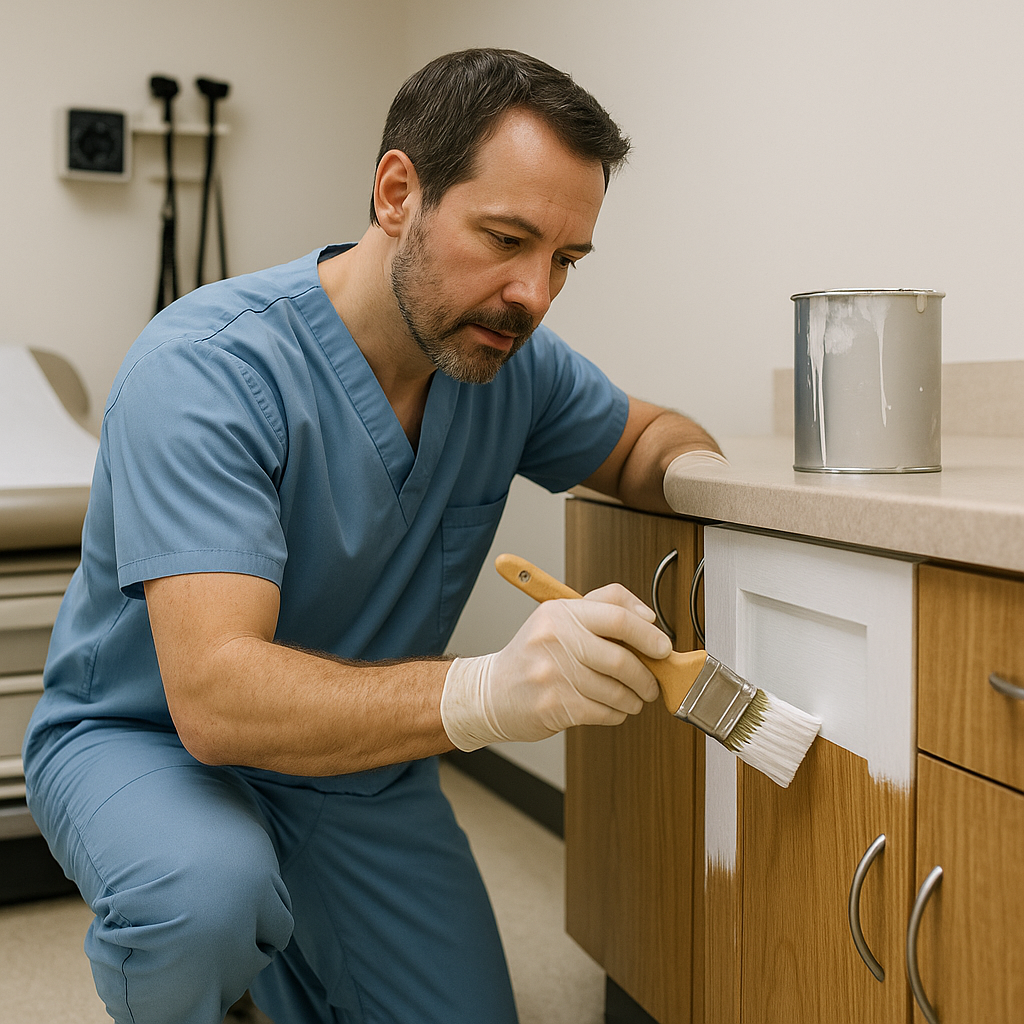
When I began, I used the same diagnostic tools I carried through medical school and residency. My exam table was bought secondhand—I repainted it to match the space. The chairs were secondhand, too, cleaned up and given new life. The décor was thrifted. My desk cost around $60. I bought a small rug. And I opened my doors.
Because in primary care, our greatest tools are our knowledge, our listening, and our clinical skills. We carry the most important parts of medicine within us. Everything else is just an accessory.
The costs that were actually hard to control weren’t furniture—they were technology and insurance. In my first year, my software and malpractice premiums cost more than my rent and all of my equipment combined. But even those expenses can be managed smartly once you understand your workflow, your patient volume, and the value of your time.
There is no shame—and in fact there is real wisdom—in secondhand.
Secondhand equipment is:
- More affordable
- Often higher quality (because older exam tables are built like tanks)
- Environmentally responsible
- A way to offer financial relief to colleagues who need to sell equipment they once purchased at full price
Even today, as we build out a new, expanded facility, I always start by looking for pre-owned before I consider buying new.
What can be purchased secondhand?
Just about everything, including:
- Exam tables and stools
- Otoscopes and ophthalmoscopes
- Desks and waiting-room furniture
- Decorative elements and shelving
- EKG machines, spirometers, ultrasound machines
- Even higher-end equipment like lasers and aesthetic devices
Choosing secondhand isn’t just about cost savings.
It’s about starting nimble, avoiding waste, and supporting other physicians who are transitioning, closing, or downsizing their practices.
So the next time you’re outfitting a new space, remember:
You don’t need to buy new.
You don’t need to overbuild.
You don’t need the aesthetic of a corporate clinic to provide excellent care.
You already carry the most valuable part of your practice: you.
This DPC Mythbuster Series aims to debunk the most common fears, misconceptions, and half-truths that deter doctors from embracing Direct Primary Care. These opinions are from each individual blogger. You may or may not agree with them, but either way, leave a comment with your thoughts.