DPC Myth #1: You need to acquire new medical skills to be successful in DPC
I chose to blog on this myth for a simple reason: I am one of those people who have perpetuated it. I have given numerous lectures at DPC Summits, Hint Summits, and DPC Mastermind conferences where my general message is “EXPAND YOUR SCOPE”. (i.e. learn more/new procedures, skills, & knowledge).
And I’ve touched on the topic even for doctors inside the system when they bellyache about mid-levels “stealing their jobs/titles/money/perceived glory/respect/whatever”. These doctors complain that midlevels “are acting like doctors” or “Demanding [equal titles/pay/whatever]”. My message for them has always been “Those mid-levels aren’t acting like doctors- you doctors are acting like midlevels. If you want to be treated/respected like a doctor, act like one.” This means long hours, broad scope, getting outside of your comfort zone daily. Few primary care docs will do that these days, and have watered down their practices to the sad point where many primary care clinics bear more resemblance to an elementary school nurse’s office than they do to a medical clinic. I tell these docs every chance I get to put on their grown-up pants and stand out…or get pushed out.
This advice applies inside and outside the cartel’s system. In DPC, I shout this message perhaps louder: On the inside, I generally say stuff like “Don’t hate the player, hate the game”. The system, in its big rush, encouraged doctors (perhaps unintentionally at times) into a watered down practice scope simply because of time constraints. Docs can’t provide full-spectrum care while seeing 20+ patients per day. In DPC that paradigm is turned on its head–we have plenty of time to do the job right, and therefore we should. Still, not every DPC doctor has to deliver babies and do C-sections. A narrow scope can work, if the market supports it—in a big enough community. But that’s rare, and I’ve seen DPCs fail because the doctor kept services too limited and enforced overly-strict “work-life boundaries” that caused access barriers that their patient base wasn’t willing to pay for. As a general rule, non-diversification carries risk—Taco Bell wouldn’t thrive selling only tacos.
SO…Yes. I believe that doctors need to act like doctors- practice to their fullest training potential. Then train some more, learn more and expand offerings. The more they can do well, the better their value proposition becomes, and the less likely they are to struggle. Simple economics.
But, exceptions prove this “rule.” Acquiring new skills is not REQUIRED, as the myth states. It’s like saying “You need to learn the backstroke to survive a swimming emergency.” Maybe? But not necessarily. If you had to swim miles and miles to shore, you’re going to get very tired doing a single stroke, and inability to rest by altering your swimming stroke will decrease your odds of survival, but not eliminate your chance of survival. Most people can safely swim to shore in a crisis using basic skills. During your long swim, it would be better to periodically roll over, change active muscle groups and do the backstroke, but your survival doesn’t necessarily require that skill.
Similarly, you can succeed in DPC if enough patients value your current skills. That simply depends on what your skill set looks like, and if it’s a big enough set to satisfy a sufficient number of patients who value them.
To conclude this half of the blog post, allow me to rephrase the myth to make it more true: “Although not definitively required, having a broad scope of practice helps you grow and sustain your DPC business. If needed, learning new medical skills can help ensure success.”
This DPC Mythbuster Series aims to debunk the most common fears, misconceptions, and half-truths that deter doctors from embracing Direct Primary Care. These opinions are from each individual blogger. You may or may not agree with them, but either way, leave a comment with your thoughts.








I used to fearfully think “full scope family practice” was necessary. Nope! It’s not. Might be nice to have those a lot of those skills. But, a good, well trained family practice doctor is worth their weight in gold. Basic primary care is a lost art in our medical world. Play to that strength.
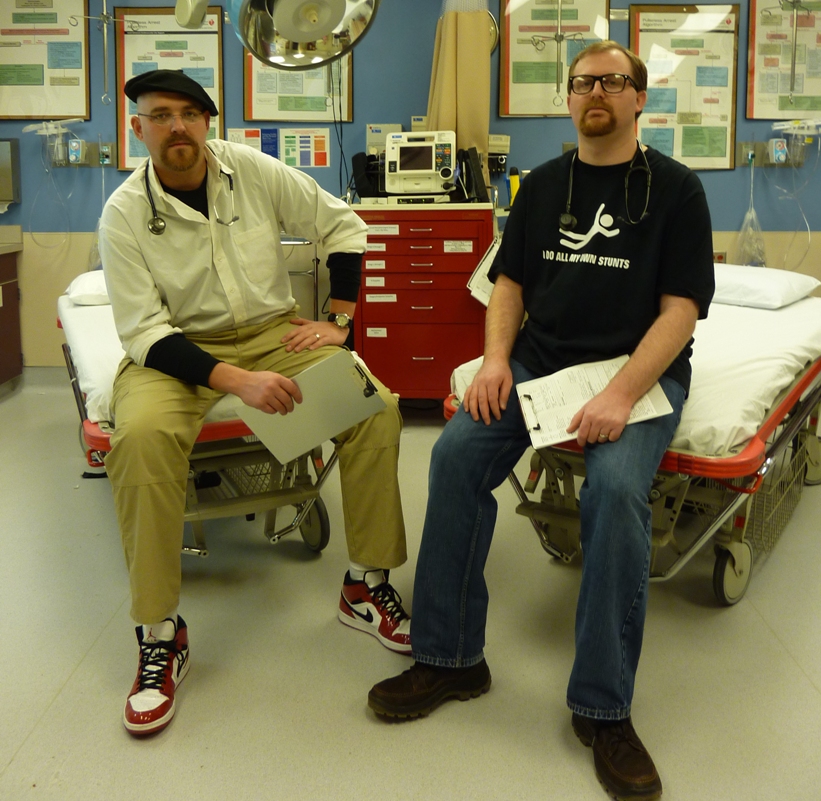
By the way- this is a real picture from 2011, when my partner and I dressed up like the real Mythbusters and posed in the ER for a parody piece Doug and I did in the Placebo Journal!
Geez, You guys really fooled me! I thought it was the real characters!! Had to look more closely.
I’m an Ob/Gyn of over 30 years, in office based adolescent/adult DPC for 2.5, launched it at age 65. Retirement?….Hell no, this is fun! Shoulda done it years ago! Frustrated generalist the whole time I was a “specialist” but always kept the whole patient and their entire picture in mind and in their care. Can’t do the kiddy care by any stretch of training, so some limits there, but it’s so energizing to rekindle solid medical and minor procedural skills, learn new ones, and be a full spectrum, deep dive “nerd” to try to address problems that good docs caught in the treadmill system just don’t have time for! Yes, you’re right Vance, comfort zones only lead to professional and financial discomfort in the long run.