The Old Meets the New (or Law 13 Lives)
In an attempt to get my kids to stop using dumb modern slang, today I will use it myself. (I know it works, it’s why I stopped saying “rad” in the 80’s.) What the heck, it matches the theme of this post about the old clashing with the new, and maybe my kids will widen their vocabulary and get a better ACT score or something.
Most of the time when we link a medical opinion piece here at DPC News, it’s to throw shade at it. Usually, this is rightful: a non/barely-practicing ivory tower type telling those of us in the trenches how much harder we should work, somebody dissing DPC, or ignoring facts for their feelings. But today I’d like to glaze Dr. Joseph Varon for this fantastic piece entitled The Quiet Crisis of Procedural Medicine. His wisdom is highly applicable and often practiced by DPC docs everywhere, but it’s just as applicable to docs inside the system, although they would be punished or at least disincentivized for following it.
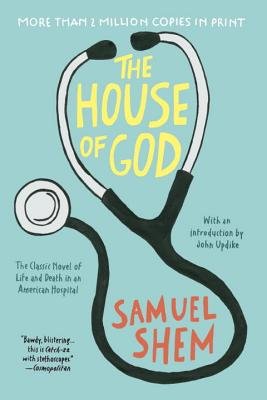
When I read it, several things came to mind, but two in particular. The first was “Law 13” from The House of God. Most physicians have read this book. If you haven’t read it, you probably use words that originated in this book every day. Terms and aphorisms such as gomer/gomere, turf, bounce, buff, Age+BUN=Lasix dose, and so many more were first popularized in this novel, which is like a late-60’s medical version of Catch-22.
In the novel, a senior resident known as the Fat Man introduces and preaches the “Laws of the House of God”. Law 13 was one that I instinctively knew to be true long before med school:
Law 13:“The delivery of good medical care is to do as much nothing as possible.”
Soon into my clinical years, I felt that few doctors recognized or followed this law. It always seemed like common sense to me, and that it was infrequently obeyed bothered me and still does. The first time I read it, I committed it to memory and to this day, I believe it and preach it to my medical students.
Dr. Varon’s piece also reminded me of another saying. I wish I could remember which teacher once gave me this gem that I echo to students on the daily:
“We don’t treat labs, imaging studies, or any other tests. We treat patients.”
In other words, relying too heavily on objective test evidence does a disservice to our patients. If only I had a dollar for every time I spoke to a consulting doctor who couldn’t tell me anything about the patient, or whose exam documentation (and the patient’s testimony) reveals that the doctor failed to get a history or perform a physical. We should look at our patient. Talk to our patient. Examine our patient thoroughly. Slow down and do the job right. If things don’t add up, stop and use our brain. I’ll stop now. Anything else I say will just be echoing Dr. Varon’s fine words of wisdom.








Right up there with “don’t ask the question (do the test) if you are not going to do something with the answer”
Oh man. I learned that many years ago. Was drilled into our heads. Sometimes it was a very, very frail patient you couldn’t do “chit” for even if one discovered a bad problem. Better to wait before determining the devastating news with the elderly.