Hey Doc, It’s Time to Quit
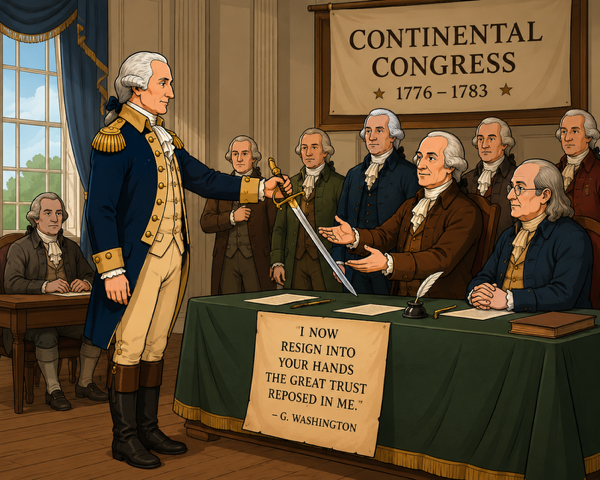
In the Winter of 1783, at Annapolis, MD, George Washington did something almost unimaginable in human history. He resigned his commission as Commander-in-Chief of the Continental Army—he quit. King George III, upon hearing the news, reportedly said in stunned disbelief that if Washington truly walked away from power, “he will be the greatest man in the world.” Washington did exactly that. He laid his glory down. Thirteen years later, in 1797, he did it again. After serving two terms as the first President of the United States, he refused a third and returned to private life at Mount Vernon. In doing so, Washington became only the second man in recorded history — after the Roman farmer Cincinnatus — to voluntarily relinquish supreme power not once, but twice. These were not acts of weakness. They were acts of profound courage, humility, and wisdom. America became a republic because Washington refused to become a king, so he quit.
The Power of Quitting
Washington’s greatness was not defined by what he seized, but by what he refused to hold. He understood that true leadership is temporary stewardship, not permanent dominion. By walking away, he proved that power serves the people — not the other way around. His quits established a precedent that has protected American liberty for more than two centuries. Today, physicians face their own test of courage. Many are trapped in employed positions where they have traded autonomy for security. They answer to hospital administrators, insurance executives, and corporate metrics instead of their patients and their conscience. The result? Burnout, moral injury, rushed visits, and a profound loss of joy in the practice of medicine. It is time for physicians to follow Washington’s example. It is time to quit.
Why Physicians Must Quit Their Employed Jobs
Quitting a stable employed position is terrifying. Washington faced enormous pressure too — loyal officers urging him toward monarchy, a fragile new nation, personal financial strain. Yet he chose principle over comfort. Physicians today must make a similar choice:
- For your patients: Independence restores the sacred doctor-patient relationship. No more 15-minute visits dictated by RVUs. No more prior authorizations standing between you and the right care. You regain the ability to do what is best and right for the person in front of you.
- For your family: Autonomy brings back evenings, weekends, and presence at home. It reduces the chronic stress that damages marriages and robs you of time with your children.
- For your sanity and health: The data is clear — loss of autonomy is a primary driver of physician burnout. Reclaiming it is one of the most powerful steps you can take toward professional fulfillment.
- For your community: Independent physicians, especially those in models like Direct Primary Care, often provide more accessible, transparent, and relationship-driven care. When doctors are free, communities become healthier.
Quitting won’t be easy. Washington’s path wasn’t easy either. There will be uncertainty, financial risk, and the discomfort of building something new. But history shows us that the greatest legacies are forged by those willing to walk away from systems that compromise their principles.
The Path Forward: Return to Independence
Thousands of physicians have already done it. They’ve left hospital employment for Direct Primary Care and other independent models. They report higher satisfaction, dramatically lower burnout, deeper patient relationships, and better clinical outcomes. Washington laid down his sword and his presidential power so that future generations could live free. Today’s physicians can lay down the corporate employment model so they can practice medicine as it was meant to be practiced — with autonomy, integrity, and joy. The greatest thing Washington ever did was quit. The greatest thing you may ever do is quit, too.
It’s time.