Inc. Magazine Does a Great Job Discussing Direct Primary Care!
About a dozen years ago, maybe more, Julie Gunther, MD, Jeff Gold, MD, and I went to the Inc. Magazine Conference in New Orleans. We had a great time and actually found some nuggets of information to apply to our DPC clinics. At that time, no one was there was talking about Direct Primary Care or even knew about it. We were trying to spread the word while also learning about business. This is why I was so excited to see an article come out from Inc. Magazine.
And I was not disappointed!! This may be the best article ever written about Direct Primary Care. It is behind a pay wall, but you can read and download it here, though I am not sure for how long.
Right off the bat, I think the article does a nice job explaining the difference between DPC and Concierge Medicine:
But DPC, on the other hand, is generally defined by its lower monthly price point, and its avoidance—wherever possible—of the insurance-based system and its oversize impact on health care. Patients might have insurance, or they might not (more on that down the line), but DPC providers do not take insurance.
The author also wonderfully explains how DPC can save both patients and the system money. Kudos to Gabrielle Bienasz for that. I was waiting for the same negatives about DPC to be listed but they weren’t.
Here is an awesome quote from the author:
As a journalist, I’ve heard editors, at least the non-health care ones I have worked with over the years, say: “It’s impossible to get a doctor on the phone.” All of the DPC doctors contacted for this story (six) got back to me and talked with me on the phone for an hour.
And that’s sort of the essence of DPC.
How cool is that!
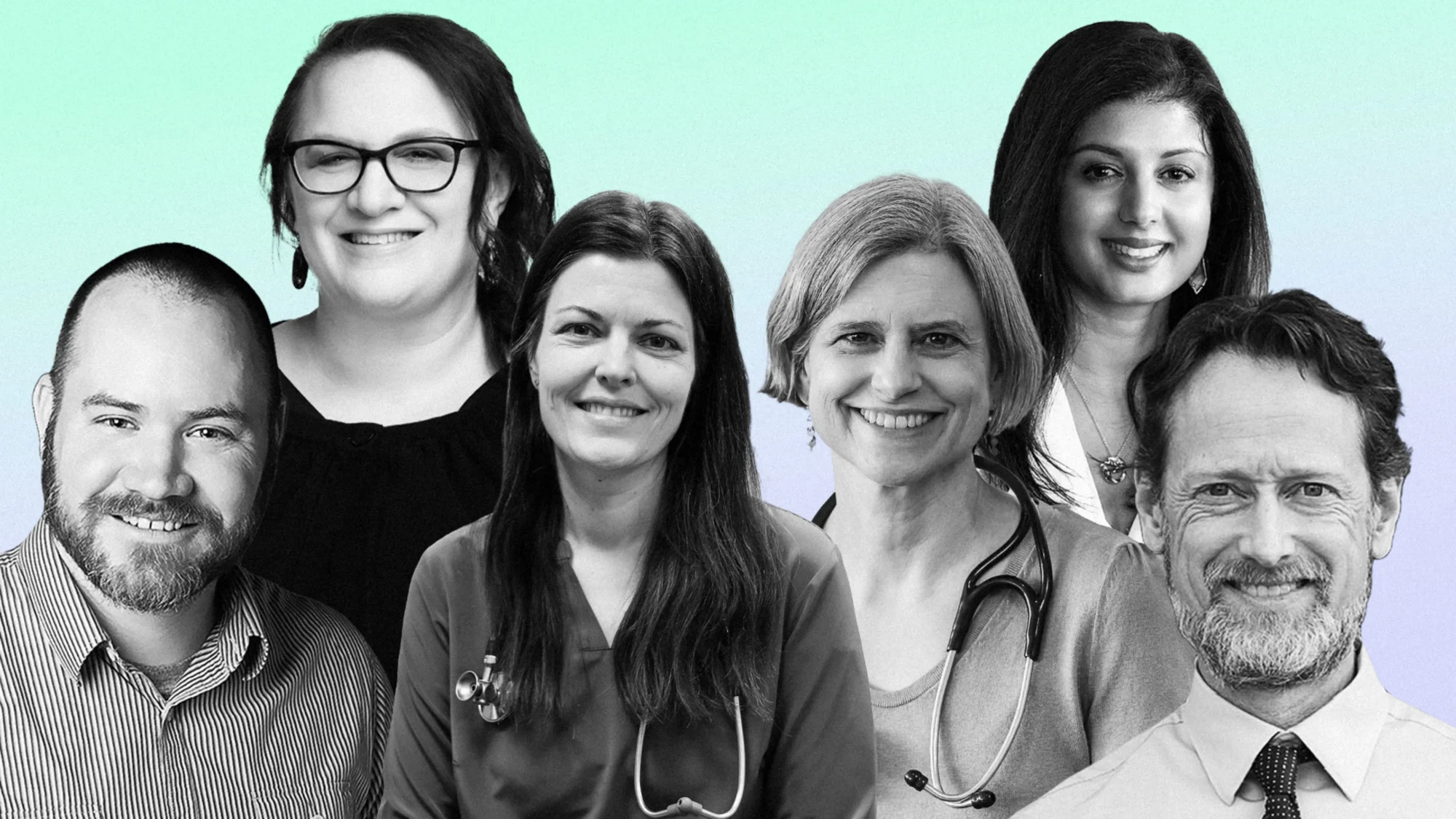
Here are the doctors who were interviewed for the article and are in the picture above.
- Amy Schroeder
- Nicole Hemkes
- Shelby Smith
- Anna Mirer
- Aleea Gupta
- Josh Umbehr
You all did an amazing job. Here are some quotes from you in the piece:
DPC people “will often say that when we take the oath to do no harm, that includes financial harm,” Mirer says.
“Really, I think DPC appeals to everyone,” says Nicole Hemkes of Advocate MD. About 95 percent of her patients also have insurance, but she says many of them have high deductibles, making her a cheaper option even with insurance.
For Umbehr, “I think the hardest part was getting people to believe that health care really can be fixed. It’s too good to be true. But it works.”
“Family medicine in particular, the relationship is so important, and we’re losing sight of that,” Smith says. “A human relationship is becoming a luxury good, and it doesn’t have to be.”
I could not be more proud of these great DPC doctors getting the word out. Everyone should be using this article to send to their patients or potential business owners.
Thank you, Inc. Magazine!






Great article! I’ve saved it in a file to pass around. It’s really the first article I’ve read that explains it easily to the non-medical person. I especially loved that the writer included the stories about the cost of antibiotics and the cost of care in a system that doesn’t put the patient first. This should be required reading in medical school for a Family Medicine/Peds/Internal Medicine rotation. Students who hear about this now are in a position where they can plan ahead financially to help themselves be the kind of doctor they originally thought they were going to be–the doctor they talked about in their medical school admission essay–instead of the “treat-and-street-’em” doctor that the big box corporations push them to be.
100%