Lessons I Learned from Farrago: The Art & Importance of the Meet & Greet (Part II)
After a grueling, multi-phase interview process, I purchased Forest Direct Primary Care from Dr. Doug Farrago in October 2020. In the month before that transition, Doug was kind enough to “show me the ropes”. He had set up several systems and policies that yielded success for his practice of six years at the time. As I have been mentoring resident physicians, medical students, and pre-med students, I find myself sharing these pearls and tidbits often. I offer them up for the DPC community. This is the third installment in this series of lessons.
The “Part I” of meet and greets was sharing about the DPC model in general and your DPC practice in particular.
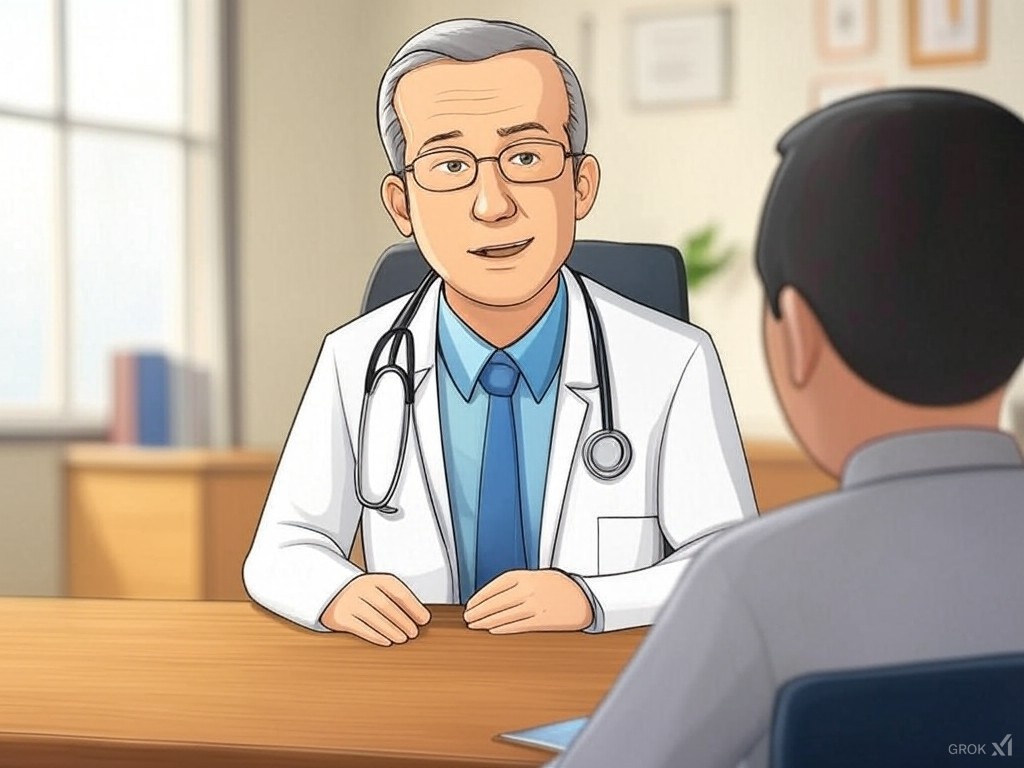
This “Part II” is about getting to know your potential patients. Skeptics of the DPC model will say this is used to “cherry-pick” patients. I’m sure it could be used/abused this way. That is not what I saw Farrago do. That’s not what I do. It’s really about transparency; one of the hallmarks of DPC. It is important to ask potential patients about their medical history. Not an overly detailed medical history, mainly the highlights: what medical conditions have you been diagnosed with and are actively being treated for? What medications, supplements, vitamins and/or other therapies are you currently taking or using? What physicians are you currently seeing? The answers to these questions are important. I want potential patients to know exactly what I can do and what I can’t/won’t take care of. They want to know that as well.
It brings me great joy to share that I can often fire their endocrinologist, Ob/Gyn, neurologist, etc. But, I’m not about to fire the neurologist that’s taking care of their epilepsy! Letting patients know what you can do helps them understand the value you’re offering for your monthly membership fee.
This also gives you an opportunity to set boundaries. One such boundary for me is that I don’t prescribe chronic narcotics. When a potential patient shares that they are on chronic narcotics, I explain that I don’t have the bandwidth for all that entails and that I would be happy to be their Family Medicine physician for all other FM things, but they would need to have their chronic narcotics prescribed by one of the local pain clinics. Full stop. I always remind patients that the meet and greet is (really) no obligation. If they go home, and think and pray about it, and decide this is not a fit, I have no hard feelings for them not choosing to sign up.
It’s important to “read the room” when you’re sharing some of these things. As a male physician, sharing that I can care for a lot of gynecologic issues gets mixed reactions. Sometimes a female patient or a couple are thrilled that they can eliminate another physician visit. Other times, I can tell that I’m not the preferred sex of the provider to take care of those particular health needs. No worries! If I see that, I share clearly that there’s always a female chaperone (in case they were wondering and weren’t brave enough to ask – anticipate the question). I also address the elephant in the room by stating plainly that many women may prefer those issues to be handled by another woman. I offer these services because my goal is to provide value by offering comprehensive FM care. Yet I don’t want patients to delay care because they may be uncomfortable. I let potential patients know that I am happy to make a referral to one of my female colleagues if that is their preference.
In getting to know your potential patients, it’s good to question what they are hoping to achieve by switching to a direct primary care membership. Many patients share that they wish they had a better relationship with their physician “like in the good old days”. Some patients just appreciate the access to advice and to timely appointments. Some are happy to find a doctor who can take care of their whole (sometimes even extended) family.
But sometimes you get some curveballs! Two brief examples: One gentleman at a meet and greet essentially was asking me to sign his disability paperwork every three months so he could continue to get a check. Also, he just happened to be heading to vacation after the meet-and-greet appointment. Nothing about the interaction, from start to finish, looked like, walked like, smelled like or quacked like “disability”. When I shared with him that I would not be willing to do that if he became a member, it turned out he decided we weren’t a fit.
I saw Farrago masterfully deal with the overly frustrated and complicated potential patient. These are the types that come in and share they have been evaluated at Johns Hopkins, Cleveland Clinic, and the WFMC (World Famous Mayo Clinic ;-), and none of the specialists were listening to them, and no one knows what to do with their often vague and multiple symptoms that don’t respond to any therapies attempted. Doug would sit back, nod empathetically, and then politely remind the potential patient that he was “just” a family doc. Honestly, he could promise nothing beyond that he would obtain the records, give them a thorough review, provide a complete exam, and order any additional testing he thought would be necessary. But, at the end of the day, he could not guarantee a diagnosis or a successful therapy. He wanted to be sure that the potential patient heard and understood that clearly. Some of these patients would sign up. Some decided a membership wasn’t for them. If my radar detects that there is someone who seems like they might be trouble with this sort of a story, I throw in, “You have to remember that 100% of my patients die of some thing, (pause intentional) at some time!“ followed by a little smile. Point made; expectations set.
The visit ends one of two ways. If Farrago’s discernment is that this patient would be a good fit, he would hand them the instructions for signing up. He emphasized that there was no obligation, and if they chose to sign up, he would know immediately and move forward with the process, including collecting first payment, when he received email confirmation. Pro Tip: When you’re at the final 50-ish patients of your panel goal, tell the good fits that once you’re full anyone that’s had a meet and greet and still wants to sign up will be placed on a waiting list. Scarcity increases demand.
If the discernment was this wouldn’t be a good fit (remember that there’s about 3-4% of the population that are psychopathic), then they were going out with a handshake asking for them to think about if this is a fit for them. We would later review our meet and greets at the next clinic meeting, and get back to them (with a no). Thankfully, that second scenario turns out to be extremely rare!
How well does this meet-and-greet system work? I’d say very well. Four years into taking the helm of Forest Direct Primary Care I have approximately 650 paying patients, with turnover of about 10-20 patients per year. Much of my turnover is from patients dying (of some thing at some time – I told them ;-), moving out of the area, usually out of state, or from patients being fired from one of the businesses that contracts with me. And even with that rate of loss, I usually only do about one or two meet and greets a year at this point, because I am getting new patients from births, marriages, adoptions, current patients bringing on additional family members, or new employees to the companies I contract with. I brought on Dr. Jeff Ponke just over a year ago (that’s another article) and his goal was to have a patient panel of 500. He used the same meet-and-greet techniques (and other pearls) and was able to accomplish that goal within one year! We are both currently full. We have a new waiting list accumulating. We are looking for another like-minded Family Medicine physician. If you happen to know a good Family doc who might like Virginia…