Lessons I Learned from Farrago: Call to Schedule!
After a grueling, multi-phase interview process, I purchased Forest Direct Primary Care from Dr. Doug Farrago in October 2020. In the month before that transition, Doug was kind enough to “show me the ropes”. He had set up several systems and policies that yielded success for his practice of six years at the time. As I have been mentoring resident physicians, medical students, and pre-med students, I find myself sharing these pearls and tidbits often. I offer them up for the DPC community. This is the fifth installment in this series of lessons.
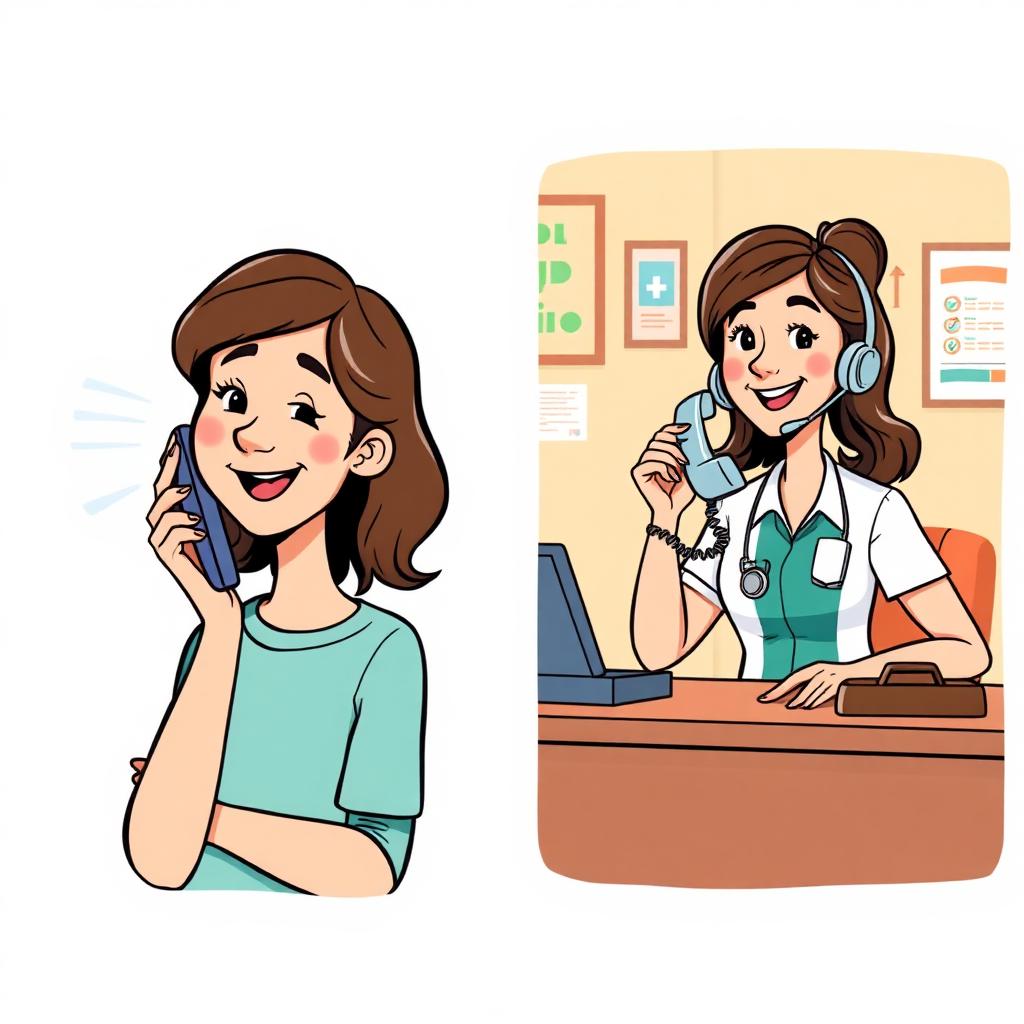
Doug advised that I always have patients call to schedule their appointment. Although DPC patients have unparalleled access to their physician with text and email, those asynchronous forms of communication can lead to a lot of unnecessary back-and-forth and miscommunication. When you’re starting out in DPC this may not seem like it would be an issue. However, when your practice is full, you don’t want to be spending unnecessary time playing phone or text tag, or have two patients both showing up at the same time, expecting to be seen promptly. It’s always best to schedule when both parties have their calendars available in real time.
While there are some tools on the market to allow patients to self schedule with your practice, and even some EMRs marketed to DPC allow this feature, it’s a really bad idea for a few reasons that Doug pointed out to me:
DPC is new to many of your patients.
Many of your new patients are stuck with the broken fee-for-service mentality that they need to be seen in person to receive care. The tyranny of the clinic visit still rules in their minds. When they call, you can let them know that they can just send a picture of that rash. They can just get a school note for their kid who had the stomach bug for a day. They can get a refill to last until their annual exam. Forcing that call provides an opportunity for your DPC to shine, and kickstarts the word of mouth marketing when patients have experiences that surpassed their expectations. (Sure, you told them at their meet and greet, but they forgot, or didn’t believe it, until they experienced it!)
Sometimes patients shouldn’t be seen (by you).
One of the hedonistic adaptations that occurs with DPC is that patients can become so used to being able to be seen on the same day that they want to call for an appointment when they have a sniffle for 30 seconds. Forcing a call to schedule allows important discussion to happen. Patients can be educated about when it’s appropriate to be seen (or not), what over-the-counter interventions can be helpful, and what red flag symptoms should prompt them to call back. It also allows for something that should go to the emergency room to be sorted out. Pro tip: when a patient says that they have a “small cut”, always asked that they send a picture before telling them to come to the clinic.
Patients don’t know how long they should schedule
When patients don’t feel well, they may both overestimate and underestimate the amount of time it will take for you to sort out their illness. For instance, someone with a sore throat may have Lemierre’s syndrome, not just a viral URI or Strep. But almost no patient has even heard of Lemierre’s syndrome. You may even need to look it up! 😉 On the flipside, someone may think that removing a pilar cyst will take an hour. That’s either one heck of a pilar cyst, or you need to work on your proficiency with that skill. Forcing patients to call makes sure that the right amount of time is allocated.
Your schedule (time) can be taken for granted. (Gasp!)
For patients who have been part of a DPC practice for years, and the vast majority of time when they come to the clinic they are the only patient, and they are seen promptly, this can lead them to believe that you do a lot of cat videos or thumb twiddling. Let’s say they’ve had a wart treated a few times and they’re coming back to have it done again. They know it takes only minutes to freeze it. In the self schedule world, they might schedule themselves for a 30 minute appointment. Since they know it doesn’t really take 30 minutes, they may choose not to show up until 20 minutes into that 30 minute appointment. I personally use a scheduling template with 30 and 60 minute visits. However, if I know that someone’s coming to have a wart frozen at 11 AM, I may choose to schedule another quick visit at 11:15. This all falls apart when the 11 AM wart patient decides to show up at 11:20. This does not help efficiency on your end at all. Forcing them to call gives them a time to show up, and they don’t know how much time you’ve allocated for them, so that you can best organize your day.
Dr. Jeff Ponke and I have been using these pearls. Our DPC practices are full. We have a new waiting list of patients accumulating. We are looking for another like-minded Family Medicine physician. If you happen to know a good Family Physician that might like beautiful central Virginia…







Nope, I’m glad to be retired after my lovely wife died. Have to take care of a mentally handicapped son I have guardianship of so I have my hands full. Get out of F.P. or primary care ASAP. It’s the bottom of the “chitpile” if you ask me. Worst specialty to go into though I still run into patients in Walmart who stop me and tell me how I was such a “good” doctor and they miss me! The stuff they tell me turns my eyes around with the newer docs they have to deal with!! The deal is it was getting too hard to deal with hospital, office and call which indicated to me it was time to retire. I bailed out when I was still doing a good job. I didn’t want to be one of the old docs who were hanging around and let consultants take care of their patients. They were ” ickheads” in my eyes. Stay away from F.P. and specialize younger people!!! Primary care sucks to the N’th degree! Just don’t go there!