When BS Meets BS
I just wanted to share some fun information that has come my way (Thanks Jeff Gold). First, there is this:
This message is being shared with all Mass General Brigham employees
Dear colleagues,
Mass General Brigham is recognized for pioneering innovation, research and medical expertise, and our patients rely on us as their ongoing partners in maintaining their health.Our primary care physicians, advanced practice providers and care teams work to keep our primary care population of patients healthy. That starts with disease prevention through screening and early diagnosis, extends to chronic disease management, and of course, managing urgent and emergent concerns. These care teams are essential to patient experience and outcomes, working every day to ensure care, and when needed, access to the right specialist. Our remarkable colleagues are the foundation of our strong and resilient healthcare system.
But primary care is in crisis nationwide as physician shortages, rising administrative burden and accompanying burnout, inadequate reimbursement and overwhelming demand outpaces available resources. We know that we must do more across Mass General Brigham to address these issues.
Our vision for the future of primary care is bold, and investing in this future is more important than ever. Strength in primary care strengthens all the care we deliver.
I am announcing an unprecedented investment of nearly $400 million over five years to continue to enhance primary care at Mass General Brigham.
In the fall of 2023, we surveyed our clinicians who offered important feedback on physician wellness, administrative burden and the need for new solutions. Using these data as a springboard, in early 2024 we began a series of intensive focus groups with our primary care clinicians to more deeply understand the challenges and importantly, work with them to create and implement solutions to improve their experience, and therefore the overall experience of our patients. This includes recognizing that we have not provided enough administrative and staffing support in primary care, and that is why we have acted to hire full-time medical assistants and other support staff, as well as coordinators, to support prior authorizations and prescription refills. The AI tools for notetaking and charting are now available to all attending physicians and APPs — a technology that has been described by many clinicians as a “game changer.”
Now we will continue this investment to help construct a care model that is innovative, inclusive and thoughtfully designed to support our clinicians and help them and the patients in their trusted care to thrive. Specifically, this investment will allow us to:
- Enhance care coordination and deploy team-based virtual solutions and digital tools;
- Provide more resources to practices that serve highly complex patients, patients with social needs and our aging population;
- Form new partnerships to improve patient access and experience;
- Enhance training and education programs; and
- Recognize our providers for quality-based performance in alignment with our goal of improving patient outcomes.
We also recognize that we must strengthen population health to better serve our commitment to value-based care. We are launching a new Population Health Incentive Pool Program designed to recognize high performance and continuous improvement in many of our adult and pediatric primary care practices.
In order to support our people so they can care for our patients, we must elevate primary care in our system. We are establishing a new system-wide leadership position: MGB Chief of Primary Care. This leader, who will be a practicing primary care physician, will lead our primary care strategy and clinical operations systemwide, advocate for our clinicians and patients, and critically, continuously partner with frontline clinicians to drive change.
This substantial investment in resources and new leadership is our unwavering commitment to our primary care clinicians and our patients. Together, we will build a future where primary care is strong, innovative and where every clinician feels valued and empowered.
With appreciation,
Anne Klibanski, MD
President and CEO
Mass General Brigham
Who here thinks they will totally waste this $400 million and cry about the same primary care shortage in five years?
Okay, that’s everybody. Now put your hands down.
While we are having fun, let’s throw in what this JABFM study shows:
In the evolving landscape of health care, marked by increasing physician distress, the role of family physicians in leadership positions emerges as crucial for driving systemic improvements. Drawing from 9 years of collective experience as chiefs of staff, this commentary outlines a framework for family physicians serving in the Chief of Staff, Medical Staff President role or other physician executive positions aimed at improving physician well-being. Recognizing the comprehensive scope of practice and team-based orientation of family medicine, we highlight the unique capabilities of family physicians to foster organizational changes that address the root causes of physician burnout. The proposed framework emphasizes the importance of effective communication channels to ensure the medical staff’s voices are heard and valued. It advocates for physician-centered approaches to credentialing and privileging processes, equitable incident reporting systems, and supportive measures for physicians facing professional challenges. By implementing a wellness-oriented framework, healthcare organizations can safeguard the future of the medical profession and create a healthcare system that prioritizes the well-being of both patients and clinicians.
“Drawing from 9 years of collective experience as chiefs of staff?” Wow, collectively that is so unimpressive.
I don’t even know what this article even means other than doctors are burning out, hate their jobs, and want to leave and these idiots think they are going to save them with better communication and wellness-oriented framework.
Let’s put these two together:





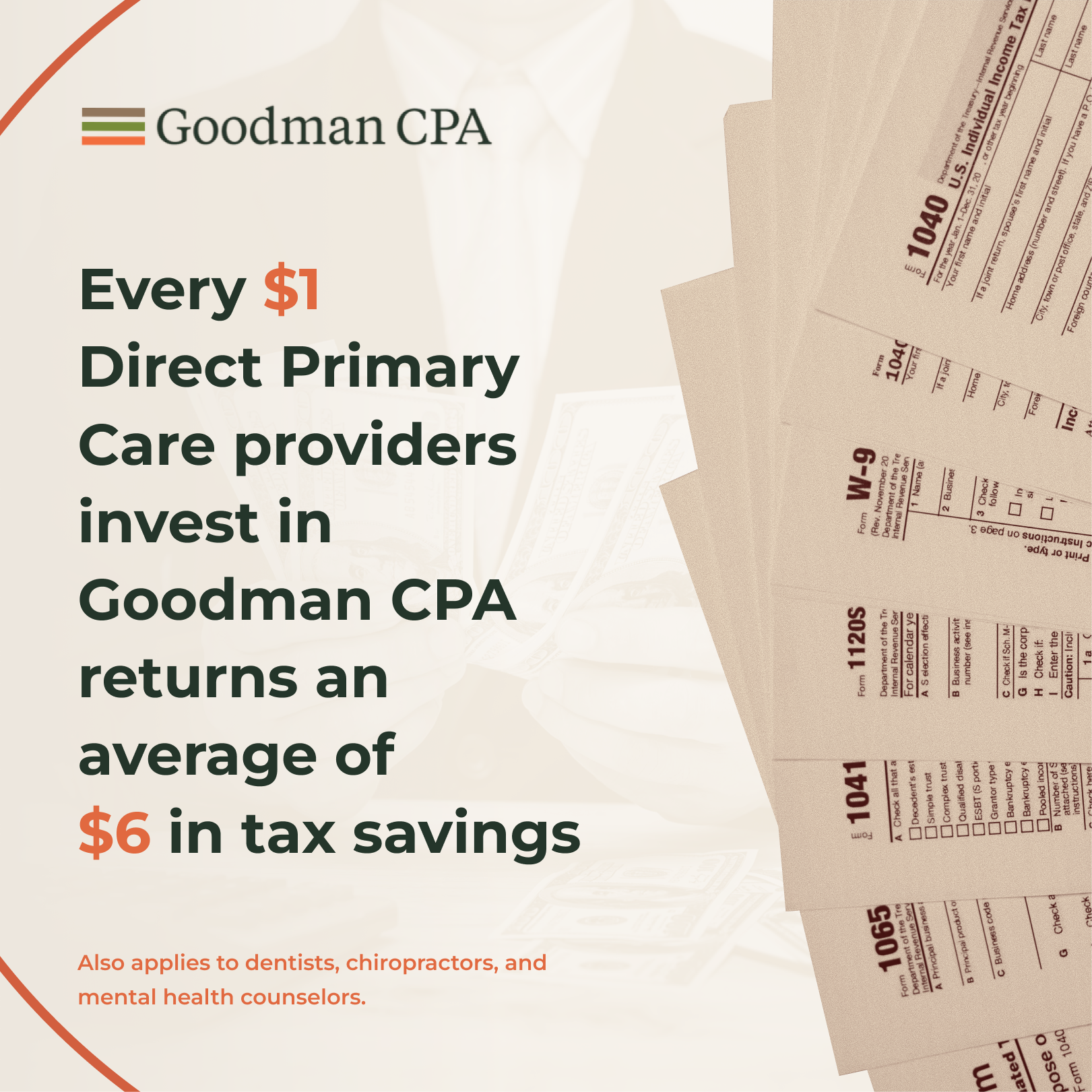
How about we promote Direct Primary Care as the only hope left for family docs?
Because it is.







I was in a Hospital system that spent a lot of time and money having physician leadership and co-managing some if it with an administrator person. Great idea, but the reality was they only chose physicians who were “yes” people to whatever the administrators wanted. If you voiced dissent in those meetings, they pretty quickly stopped listening to you or inviting you to the meetings….. So much for any real change.
Good humor is always welcome!
One thing: EHR destroyed primary care medicine. I no longer recommend students to go into it though I have no contact with them since I retired. I dictated notes and someone else typed them into the computers. Again, EHR destroyed the efficiency of F.P. and other primary care practices. With paper, I jotted crib notes and dictated the full note later. Placed on the chart, I signed off and done. Typing on a computer terminal sucks to the “nth” degree. Voice recognition software helped very minimally and was a PITA to use. Now you know why there is a lack of pri-care physicians these days as the job sucks. Many have to work late into the night to “complete” records. Why do that when one can be a “specialist” see less patients as they are harder to sort out, dictate records, get paid more and be done with it?
I used to be able to do hospital, office and take call efficiently back in the day but EHR totally wrecked that. I’m old but started using computers in the late 80’s for my own hobby. I use Linux a clone of Unix and AM NOT computer illiterate. What I immediately recognize is EHR was going to make doctors lives ABSOLUTELY miserable from day one.
Don’t get me wrong though. Being able to lookup lab and radiology reports that were in process from a terminal was great! I was doing that in the early 80’s while in training. That made docs jobs much easier. Tying docs to a laptop TOTALLY destroyed the physician-doctor relationship for notes and such. No more face to face contact!
The younger docs don’t know what it was like in the “paper days” though I doubt many F.P.’s do hospital work or take call anymore. Except in the practice I retired from after spending my entire career there, they’re still doing it and have many young docs who still want to practice in a traditional fashion. God bless’em too.