We Are All Those People
There is a common misconception, even among physicians, that regular alcohol consumption (in moderation) is safe, or even healthy. The majority of physicians, like the majority of Americans, consume alcohol on a regular basis. Due to cognitive dissonance, physicians who drink a moderate amount of alcohol tend to believe that it is safe to do so, and then they counsel their patients accordingly.
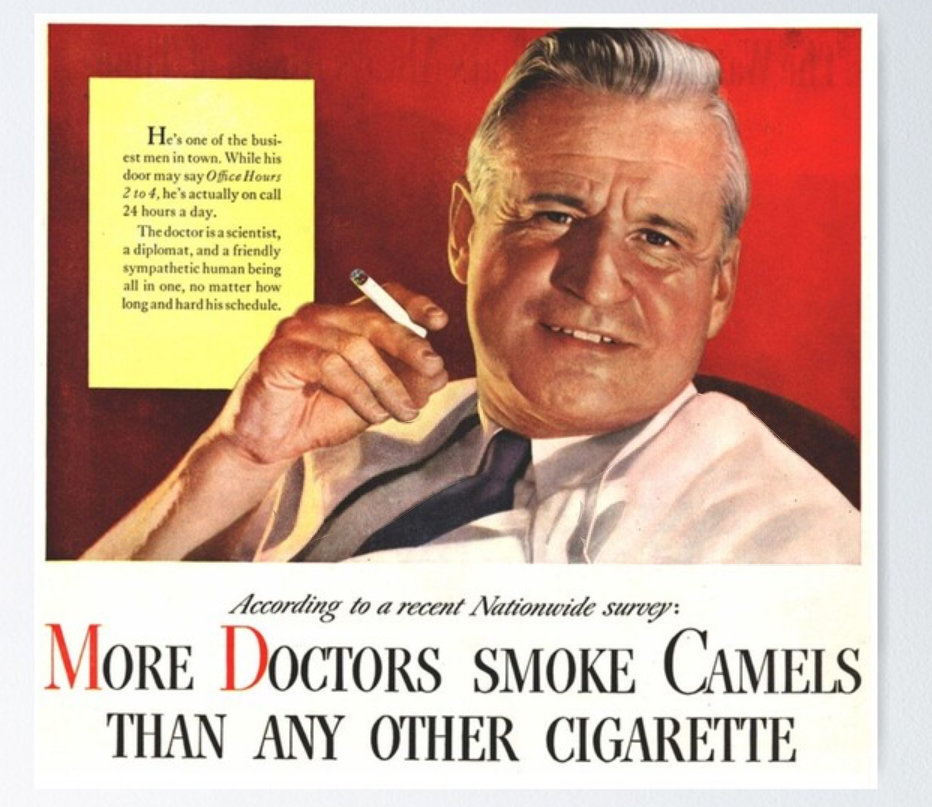
This is reminiscent of smoking forty years ago. It was once acceptable for physicians to smoke cigarettes, even in clinics and hospitals. Tobacco companies sponsored medical association meetings as recently as the 1980s, and smoking was not banned in hospitals until 1993. Currently, the health risks associated with smoking cigarettes are well-known, and I don’t know of a single physician who would publicly admit to smoking, but doctors used to promote the health benefits of cigarettes.
Two years ago, the World Health Organization concluded that there is no safe amount of alcohol consumption. Worldwide, there are 2.6 million alcohol-related deaths per year, and this rate has significantly increased in recent years. Alcohol is a carcinogen which causes multiple types of cancer, including colon cancer and breast cancer, and it increases the risk of other chronic conditions, including heart disease and liver disease. Although heavy alcohol use further increases the risks of alcohol-related conditions, the majority of patients with alcohol-related deaths consumed a light or moderate amount of alcohol.
In 2020, I decided to use my extra free time at home to become a better cook. I signed up for a subscription meal plan where I received recipes and boxes of ingredients, and for good measure, I also signed up for a subscription wine plan, which included 12 bottles of wine per month. I started out sipping wine while I cooked and finishing the glass with dinner, but my alcohol tolerance increased rapidly, and within the first month, I was surprised to find that I could finish a bottle in a single evening. I had also noticed cravings for wine during my commute or even during my work day. As a “normal drinker” with alcoholic family members, this terrified me. I cancelled my wine subscription and threw away the remaining bottles. Luckily, I found it relatively easy to change my habit. It helped that my children hated those “fancy” recipes. Also, cutting out wine and rich foods helped me to shed the extra weight I had accumulated.
As a child, I was warned by D.A.R.E instructors that I would face peer pressure to drink alcohol and try drugs; however, it was not until I reached middle age that I first encountered this situation. I noticed alcohol popping up everywhere in the strangest situations: races to prevent breast cancer, gyms, health spas, and children’s birthday parties. Polite refusals would be met with bafflement and questions. Apparently, the only acceptable reason for abstinence from alcohol is alcoholism. I suspect that many people drink more alcohol than they want in order to prove to themselves and others that they are not alcoholics. Likely, this peer pressure stems from a desire to justify one’s own alcohol use.
I am concerned that the disease model of alcoholism results in increased rates of alcohol use and alcohol-related morbidity and mortality by classifying people as either alcoholics or “normal drinkers”. Since only alcoholics abstain from drinking alcohol, there is social pressure to drink alcohol in order to be seen as a “normal drinker”. The truth is that alcohol is a highly addictive substance and anyone who consumes alcohol on a regular basis could develop an alcohol use disorder. Frequently, I will recommend a month of alcohol cessation to patients to see if their symptoms or lab abnormalities will resolve, and often, they will confess that they were shocked by how difficult it was to give it up and how strong their cravings were. They will worry that they are “one of those people” who can’t drink normally. The truth is that we are all those people. The human brain is wired for addiction to any pleasurable activity or substance.
This January, consider joining the sober curious movement and swapping out your usual drink for a mocktail or another non-alcoholic beverage. In addition to reducing your risks of cancer, heart and liver disease, you can look forward to improvements in sleep, energy, body composition, mood, focus, memory, and sexual function. Even if you aren’t ready for alcohol cessation, becoming more mindful and intentional about your alcohol consumption will produce health benefits.
Get our awesome newsletter by signing up here. It’s FREE!!! And we don’t share your email with anyone.
or get your daily DPCN post emailed to you by subscribing below:







Nailed it!
Have rarely touched the stuff over the past few years just by personal choice and I can honestly say that not one day goes by that I miss it. Great article