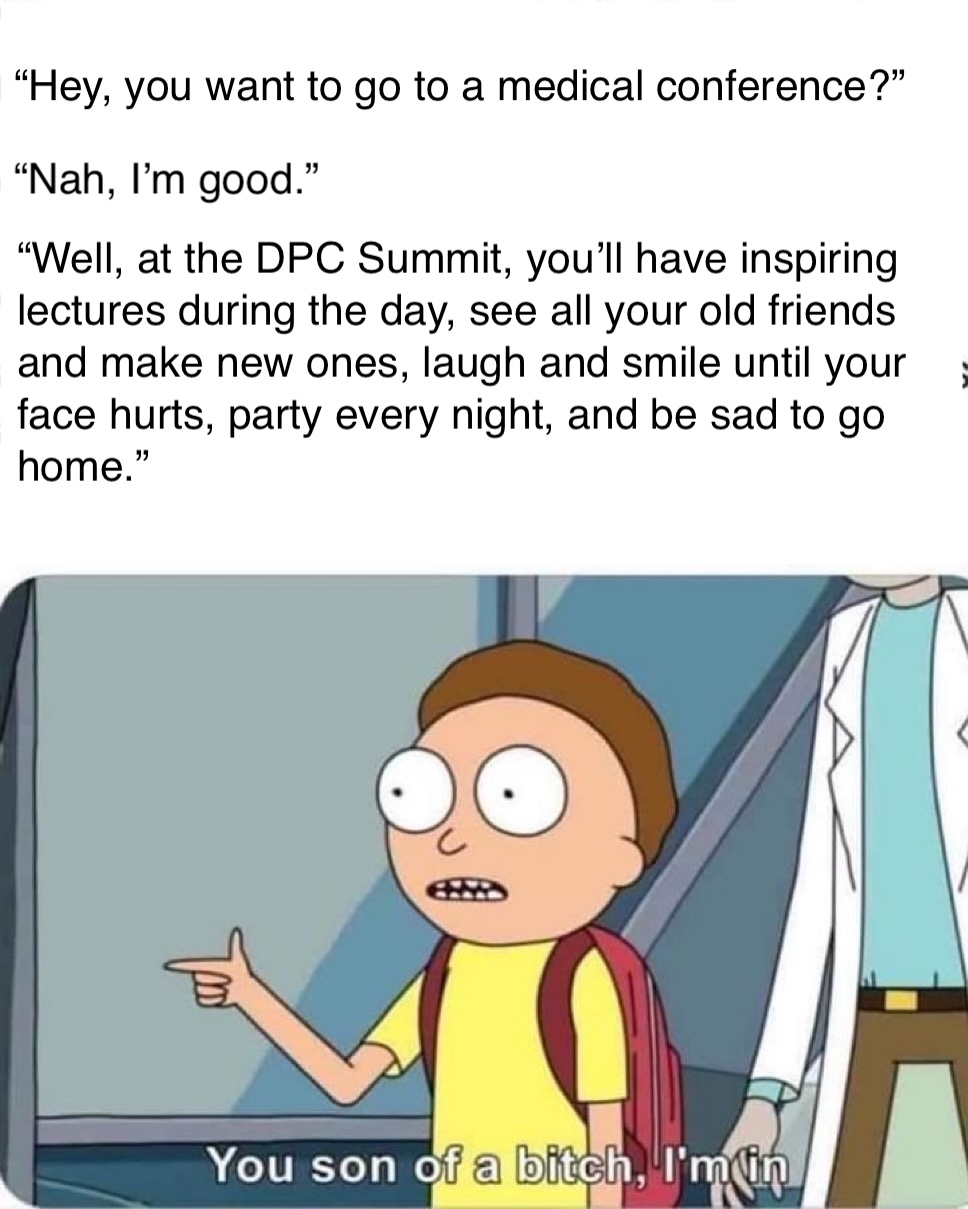
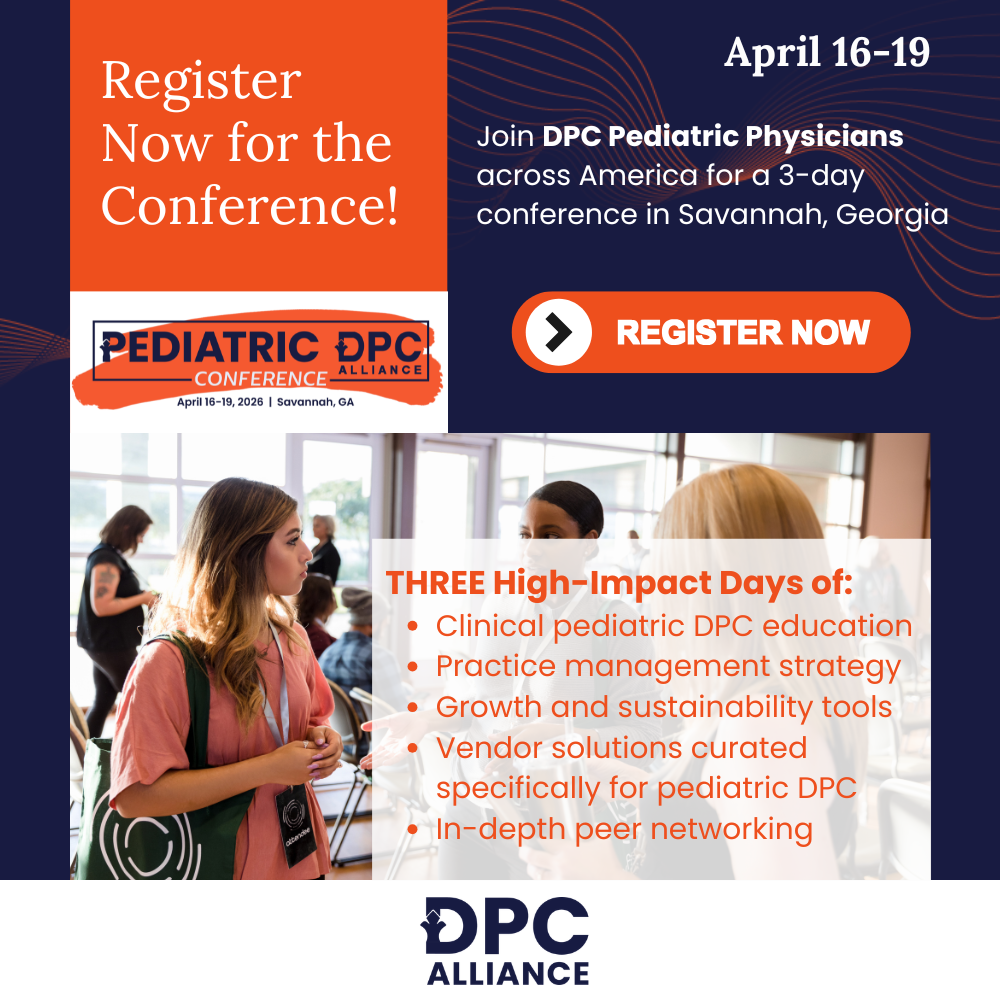
Going to a Direct Primary Care conference is one of the most reaffirming things you can do for your mental health. DPC is a lonely occupation for most of us. The DPC Summit and other events allow you to meet new friends and feel part of a community. You will not feel alone anymore. You will leave reinvigorated and hopefully with new connections you can have for life. If you haven’t signed up, there is still time. New Orleans and your colleagues are waiting for you.
*This cartoon was NOT approved by the DPC Summit organizers and they are no way involved in his creation. I just thought it was funny.
Dr. Farrago is a retired family physician based in Forest, Virginia. Since 2021, he has run DPCnews.com, a leading resource for the Direct Primary Care (DPC) movement.
He is the author of three best-selling books on Direct Primary Care:
The Official Guide to Starting Your Own Direct Primary Care Practice
The Direct Primary Care Doctor’s Daily Motivational Journal
Slowing the Churn in Direct Primary Care (While Also Keeping Your Sanity)
In 2016, Dr. Farrago conceived the idea for the Direct Primary Care Alliance and co-founded the organization alongside other pioneering DPC physicians. He is widely recognized as a leading expert in the DPC model and frequently lectures to medical students, residents, and practicing physicians on how to successfully start and run their own DPC practices.Dr. Farrago sold his Direct Primary Care practice in October 2020 but continues to receive care there as a patient.
One thought on “It’s Getting Closer.”
Work described in this story was made possible in part by federal funding supported by taxpayers. At Harvard Medical School, the future of efforts like this — done in service to humanity — now hangs in the balance due to the government’s decision to terminate large numbers of federally funded grants and contracts across Harvard University.
The fact that Harvard does not have a Family Practice Residency makes the above statement laughable (done in service to humanity). Family Physicians seeing patients in outpatient clinics are doing a service to humanity while systems and the government make the process intolerable with all their regulations and meaningless quality metrics (a physician gets a failing grade if a patients does not stop smoking).





Work described in this story was made possible in part by federal funding supported by taxpayers. At Harvard Medical School, the future of efforts like this — done in service to humanity — now hangs in the balance due to the government’s decision to terminate large numbers of federally funded grants and contracts across Harvard University.
The fact that Harvard does not have a Family Practice Residency makes the above statement laughable (done in service to humanity). Family Physicians seeing patients in outpatient clinics are doing a service to humanity while systems and the government make the process intolerable with all their regulations and meaningless quality metrics (a physician gets a failing grade if a patients does not stop smoking).