DPC Myth #7: All Direct Primary Care Practices are the same
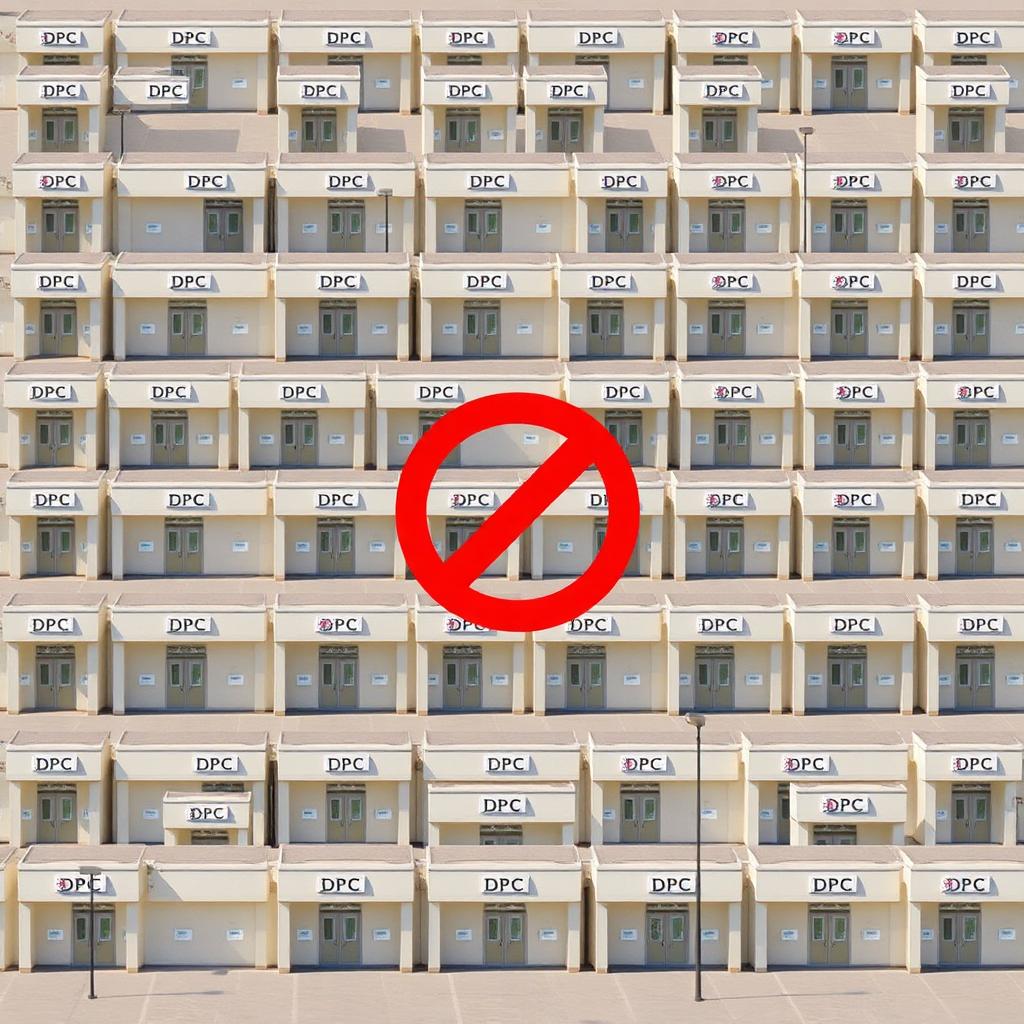
Within the DPC world, there’s a saying, “When you’ve seen one DPC practice, you’ve seen one DPC practice.” Why is that? Well, because there’s really just so many ways to DPC!
DPC structure
- Micropractice. The DPC physician is everything: physician, scheduler, phlebotomist, IT, janitorial, staff, etc. These often leverage technology and local resources to make the solo life sustainable. Some of them may use a remote assistant and local lab facilities for example.
- Hybrids. This is usually a transitional form of DPC. They are still taking some fee-for-service patients while they are also building their DPC panel. In the long run, hybrids often fail.
- Physician owned. This is probably what a typical DPC practice is imagined for many who are looking at the model. The physician is at the top of the org chart. She or he may have a few employees.
- Partnership. Like a marriage for business. More than one physician has an equal ownership in the DPC practice.
- Nonprofit. This can be done a few ways. The top of the org chart could be a physician. In fact, there are some DPC practices that have a for-profit and a nonprofit arm. Or a nonphysician executive director could be at the top of the org chart with all the physicians as employees.
- Collaborative. This is model where individual DPC practices combine under one roof or brand to maintain independence but split overhead (the “lease, lights, and lidocaine”).
- Employed DPC. Like the nonprofit space, the top of the org chart could be a physician who has found other physicians that don’t want to do any of the business aspects, but they are happy to be employed by another physician who’s also actually still working full-time taking care of patients. Alternatively, there can be a business guy or a “physician administrator” that rarely sees patients at the top of the org chart and employs other physicians to do the bulk of patient care for the organization.
DPC practice space
Many imagine DPCs being in a brick-and-mortar space. Some DPCs choose to buy their space. Some DPCs lease their space. One DPC physician near me exclusively does home visits. There are DPCs that have mobile clinics. There are DPCs located within businesses where the business provides the space, patients and payment.
DPC staffing
Some of DPCs have administrative staff only such as a front desk person. Some hire a clinic manager. Some will have an MA, phlebotomist, RN, or LPN. These employees may be in person or virtual. Some will utilize family members to help with non-medical tasks. Some will have only physicians; some will have mid-levels. Some employ other folks to provide ancillary services, such as yoga instructors, massage therapists, physical therapists, nutritionist, and even medical specialists (gasp! 😉
DPC practice focus
While many early DPCs were Family Medicine Physicians, there are DPCs that include primary care colleagues in Internal Medicine, Pediatrics, Med-Peds and Geriatrics. We even have some specialty colleagues that will offer primary care DPC for their patients. Many early DPCs tried to provide comprehensive primary care services for their patients. However, some DPCs focus on women’s health, lifestyle medicine, obesity medicine, functional medicine, integrative medicine, sports medicine, hormone therapy, etc.
DPC services offered
Some provide only consultative medical care with no procedures. Others will provide a broad range of procedures that are part of the membership fee. Others will sometimes charge a separate fee for procedures. The procedures offered will run the gamut from dermatologic, gynecologic, obstetrics, orthopedic, infusions, ECG, spirometry, etc. Some, arguably most, offer telehealth. Some provide pharmacy services.
DPC pricing
Some DPCs charge a flat rate per person; the rate may vary based on age. Some DPCs have a slight discount for each additional person in the family. Some of DPCs have an individual, couple and family membership structure. Many DPCs provide free, discounted or sliding scale care to those in need. Nonprofit DPCs seek donations and grant funding to cover their costs.
While some naysayers may lament this amount of variability between DPC practices, this is exactly what makes DPC attractive, flexible, adaptive, personable and sustainable. You can build a DPC around your particular interests and skill sets. To succeed, you’ll need to be sure your DPC can meet the market needs of the geographic area where you’ve decided to practice. You control and can customize your clinic’s décor, feel, ambiance, vibe. These variations provide choice in the marketplace. Patients self-select for the practice that meets their needs, their budgets, and jives with them.
Despite all the variation, one thing that successful DPC practices have in common: they put their patients first. They realize that they exist to serve their patients. The practices that do that are the ones that have the least amount of churn, the longest waiting lists, and the happiest patients and physicians.
This DPC Mythbuster Series aims to debunk the most common fears, misconceptions, and half-truths that deter doctors from embracing Direct Primary Care. These opinions are from each individual blogger. You may or may not agree with them, but either way, leave a comment with your thoughts.