DPC Myth #17: Understanding Call Volume in Direct Primary Care
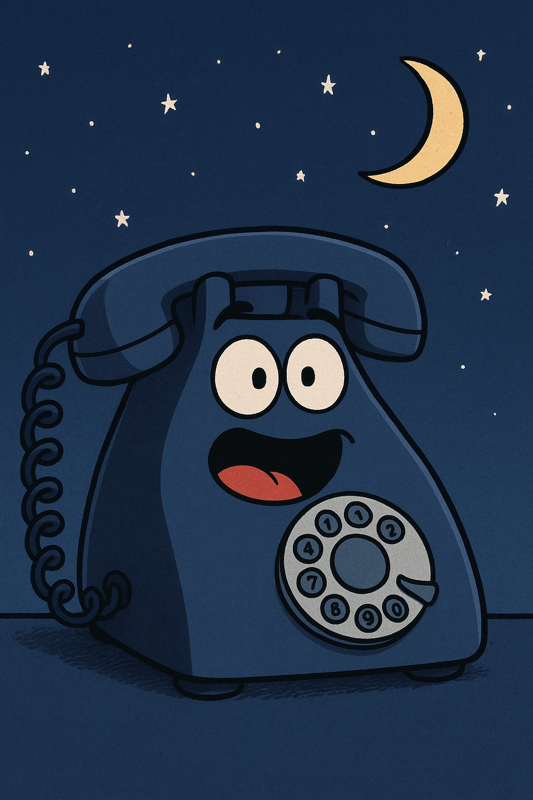
This post could also be called the Midnight Myth
Let me cut to the chase: Yes, we get after-hours messages. Some are ridiculous. Most are reasonable. And it’s completely manageable.
Even with 1,200-1,300 patients, the nightmare scenario of constant 2 AM calls about hangnails simply doesn’t exist. My physician colleague and I averaged about 15 after-hours and weekend messages over the past month. Fifteen….between two doctors…for 1,200-1,300 patients.
As I’m writing this on a Saturday afternoon, we’ve received exactly zero messages or calls in the past 24 hours.
The Reality
Will you get some messages about things that could have waited? Absolutely. Last week someone messaged us at 9 PM about a rash they’d had for three days. I responded the next morning. Did it bother me? Not really. I redirected them, reminded them what constitutes urgent, and moved on.
Then there are the genuinely urgent ones – high fevers in young children, breathing difficulties, women in labor. These calls matter. That’s why we are accessible.
What Makes It Work
We educate patients from day one about when to call for urgent issues versus what can wait. Then we reinforce it as needed when someone inevitably messages about something non-urgent at 10 PM. Most patients get it quickly. A small handful never quite grasp that reinforcement, but even if they don’t, they aren’t blowing up my phone.
The critical piece: We’re actually accessible during business hours.
Not “leave a message and we’ll call you back in three days” accessible. Actually accessible.
When patients know they can reach us during normal hours, they don’t panic or message us at midnight about minor issues.
The Trade
Do we occasionally take a call on Sunday morning? Sure. Does it beat prior authorizations, insurance fights, and hospital bureaucracy? Every single time.
The after-hours volume in DPC is a fraction of what I dealt with in traditional practice. And the difference is simple: when patients can’t reach you during the day, they’ll reach you whenever they can.
Remove that barrier, set clear expectations, reinforce them when needed, and suddenly after-hours calls become what they should be – occasional, manageable, and usually meaningful.
That’s it. That’s the whole story.
This DPC Mythbuster Series aims to debunk the most common fears, misconceptions, and half-truths that deter doctors from embracing Direct Primary Care. These opinions are from each individual blogger. You may or may not agree with them, but either way, leave a comment with your thoughts.