DPC MYTH #10: Employers Know All About Direct Primary Care
Did you ever hear the story of Japanese soldier Teruo Nakamura? He was found alone on a small Indonesian island in December 1974—nearly 30 years after World War II had ended. Other soldiers on the island were either killed or surrendered in 1944, but Nakamura fled into the deep jungle. He believed the war was still going on and dismissed as propaganda the leaflets telling him it had ended.
This is similar to the cognitive dissonance many employers experience with healthcare—especially with direct primary care (DPC). If it isn’t insurance, they assume it can’t work.
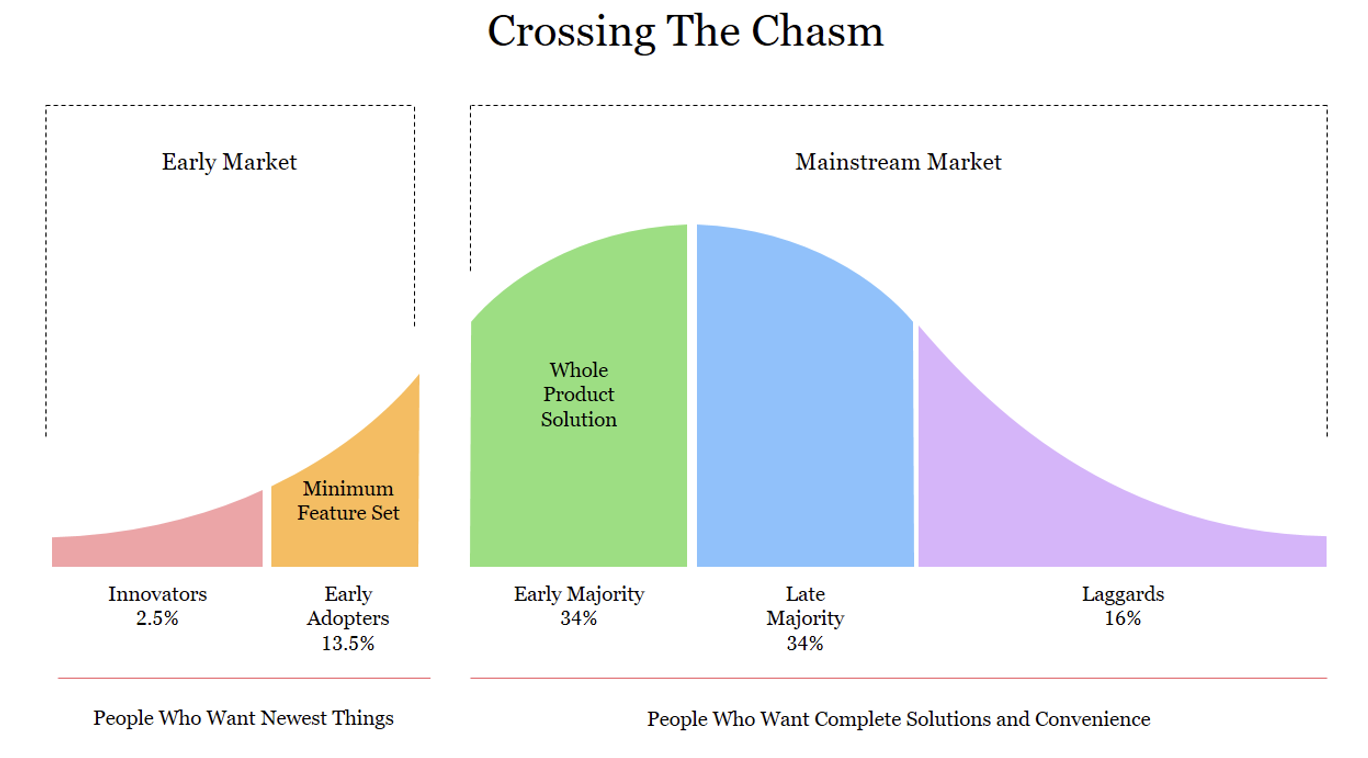
While the direct primary care movement has made huge strides over the last decade, it still sits firmly in the early adoption phase of the Technology Adoption Curve (see below). We are nowhere near crossing the “chasm” into the early majority. Current estimates suggest that roughly 5% of primary care is delivered through the DPC model. Even so, growth over the past 10 years has been tremendous, according to the American Academy of Family Physicians. Still, only a small portion of the population uses—or even knows about—DPC.
Employers are in the same position. Many large employers—those with more than 50 employees and therefore required to provide insurance—depend on their benefits advisors or insurance brokers to educate them about the value of DPC. But many brokers never mention it. As a result, business owners and executives remain lost in the jungle of insurance confusion, believing they have no alternatives.
But the tide is turning.
As healthcare costs continue to explode, more physicians and business leaders are speaking out about direct-pay models and DPC. Benefits advisors are increasingly searching for options outside the major insurance companies. In November 2025, social media buzz about DPC surged—thanks to prominent voices like DPC Physician Dr. Ashlee Hendry and Mr. Mark Cuban. Awareness is growing (https://www.facebook.com/share/v/1X44JfL6E2/).
Your local employers need your DPC expertise. They need to hear that they don’t have to keep fighting the same losing battle. Here are a few ways you can share the good news of DPC in your community:
- Attend a chamber of commerce meeting or a county commissioners’ meeting.
- Speak at local clubs or organizations such as the Lions Club or Rotary.
- Reach out to small local news outlets to share the DPC story.
- Post simple, engaging DPC topics on social media.
Try stepping out of the exam room and meeting the people who live and work around your office. Most have no idea what direct primary care is or how it works.
They don’t know the war is over.
This DPC Mythbuster Series aims to debunk the most common fears, misconceptions, and half-truths that deter doctors from embracing Direct Primary Care. These opinions are from each individual blogger. You may or may not agree with them, but either way, leave a comment with your thoughts.







Really great article!!!